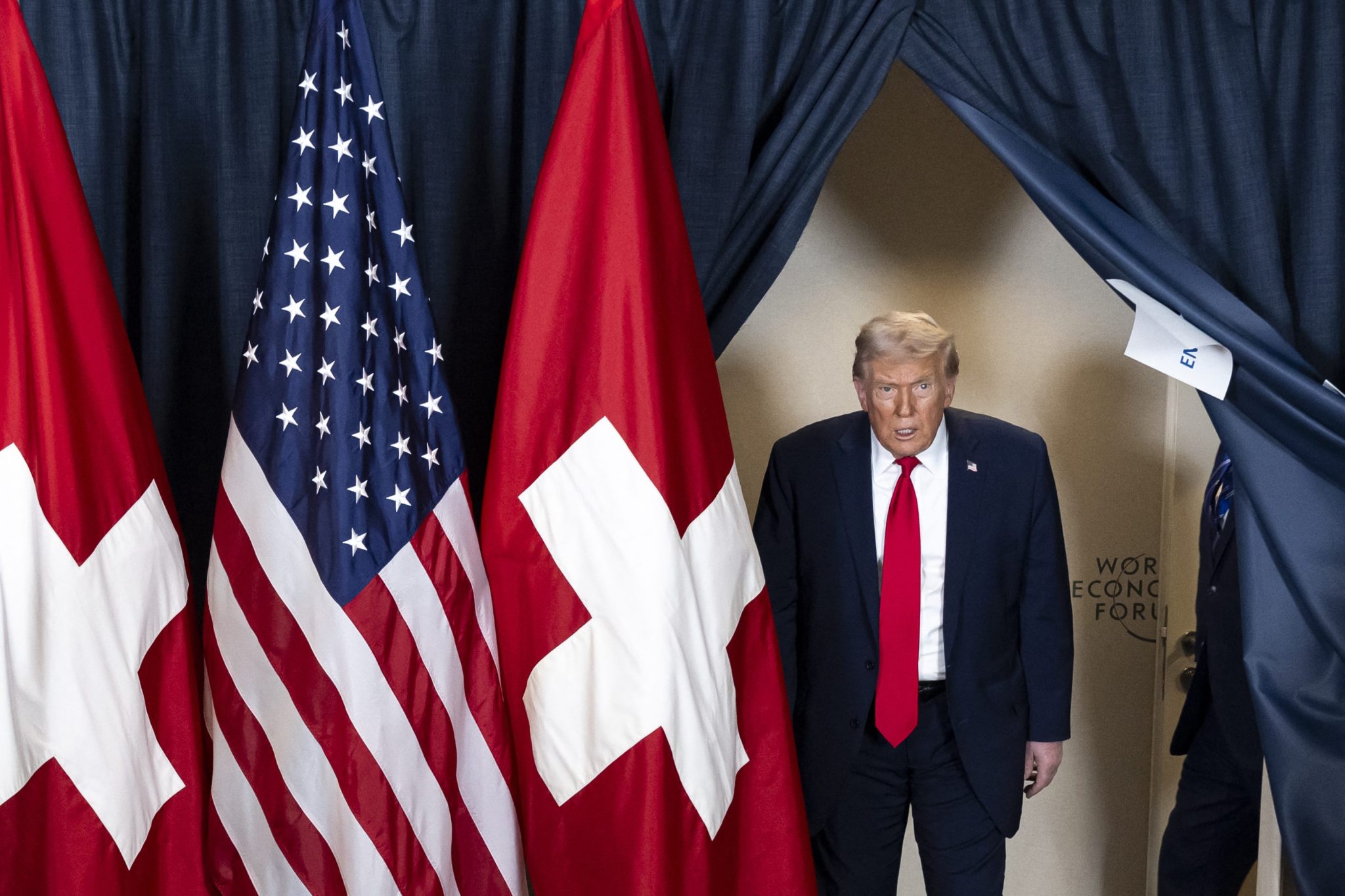
This is no way to treat our Swiss friends
The Trump administration is preparing to investigate Switzerland under Section 301 — the same trade enforcement tool used against China. That tells you almost everything you need to know about how Washington has lost the plot on trade policy. These investigations, launched after the Supreme Court invalidated earlier tariff measures, could serve a legitimate purpose. Done properly, they could help identify countries that genuinely cheat the system. Done poorly, they could damage America’s closest economic relationships and weaken the very economy they are supposed to strengthen. As someone who has spent decades advising governments and businesses around the world, I have learned that trade deficits alone tell us very little. Yet in Washington, many still speak as if every bilateral trade deficit is proof that America is being victimized. That is simply not true. Take Switzerland, a country I know well and admire greatly. In 2024, the United States imported roughly $38 billion more in goods from Switzerland than Switzerland imported from America. Many politicians immediately see such numbers and conclude foul play must be involved. But economics is not that simple. Once services are included, Switzerland actually bought about $30 billion more in American services than it sold to the United States. The net imbalance amounted to roughly $8 billion — about the cost of a cup of coffee per American per month. Hardly a national emergency. More importantly, Switzerland is one of the fairest trading nations in the world. It imposes no tariffs on industrial goods and allows virtually all American products to enter duty-free. Unlike many countries, Switzerland does not prop up large sectors of its economy with massive industrial subsidies or state-owned enterprises. The one major exception is agriculture — and that policy has historical roots dating back to World War II, when the Swiss learned the hard way that food security matters for small countries surrounded by hosti