Women with irregular periods should be checked for PMOS, NHS says
Key takeaways
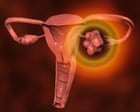
- Symptoms for PMOS, previously known as polycystic ovarian syndrome, include irregular, very short, long or absent periods.
- Prefer the Guardian on GoogleUp to 4 million women with irregular periods should be investigated for polyendocrine metabolic ovarian syndrome, according to new NHS guidance.
- PMOS, previously known as polycystic ovarian syndrome, is believed to affect up to 13% of reproductive age women, the World Health Organization estimates.
Why this matters: a developing story that could shape the day's news cycle.
Symptoms for PMOS, previously known as polycystic ovarian syndrome, include irregular, very short, long or absent periods. Photograph: Science Photo Library/Alamy View image in fullscreen Symptoms for PMOS, previously known as polycystic ovarian syndrome, include irregular, very short, long or absent periods. Photograph: Science Photo Library/Alamy Health Women with irregular periods should be checked for PMOS, NHS says Polyendocrine metabolic ovarian syndrome is underdiagnosed and inconsistenly managed, according to Nice
Prefer the Guardian on GoogleUp to 4 million women with irregular periods should be investigated for polyendocrine metabolic ovarian syndrome, according to new NHS guidance.
PMOS, previously known as polycystic ovarian syndrome, is believed to affect up to 13% of reproductive age women, the World Health Organization estimates.