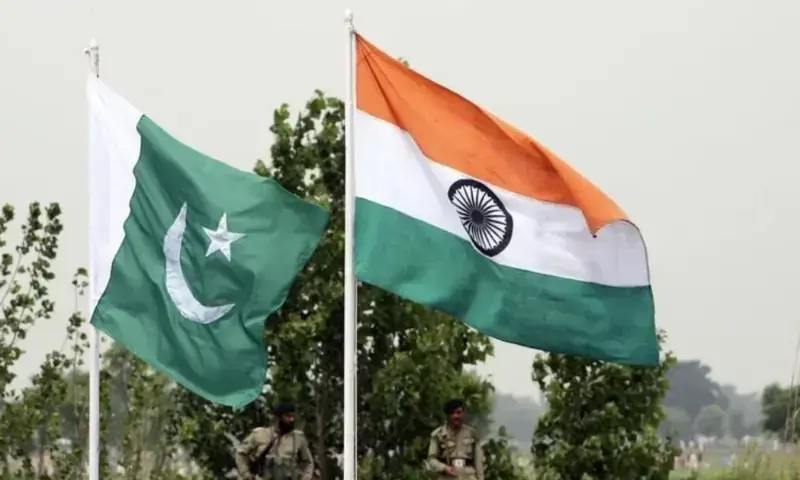
Next India-Pakistan conflict may be ‘more dangerous’, analysts warn
Why this matters: local context for readers following news across Pakistan and the region.
WASHINGTON: On the first anniversary of the May 2025 India-Pakistan conflict, a growing body of commentary from US and international analysts suggests that the next such crisis between the two nuclear-armed neighbours is not only more likely, but will prove dangerous with fewer opportunities for outside powers to contain it. In a piece published on Tuesday, The Washington Post warned that the world may be underestimating the risks. “You know the world scene is chaotic when we’re approaching the first anniversary of a shooting war between two hostile nuclear powers and very few Americans remember it,” the newspaper noted, adding that another crisis is “probably not a question of if, but when.” The editorial described the May 2025 conflict as a new form of “non-contact” war, involving missiles, drones and air power without a ground invasion. It cautioned that both sides may now believe they can fight a limited conventional war without triggering nuclear escalation — a conclusion that could prove dangerously flawed. WaPo also pointed to shifting diplomatic dynamics under President Donald Trump. While acknowledging that US officials “worked the phones and helped calm the situation”, it also highlighted Indian unease over Trump’s repeated claims that he brokered the ceasefire. US media, think tanks highlight shifting diplomatic dynamics under Trump “A strong sense of independence and sovereignty is extraordinarily important in Indian political culture,” the editorial observed, warning that strained ties could affect Washington’s ability to mediate in a future crisis. An earlier report by the Congressional Research Service (CRS), the research arm of the US Congress, drew attention to another potential flashpoint: water. The CRS noted that “the government of India has not presented evidence of a Pakistani link to the attack,” yet responded by placing the 1960 Indus Waters Treaty “in abeyance.” The report underscored the gravity of this move, pointing out that Islamabad con