Putin’s War Comes Home to Moscow
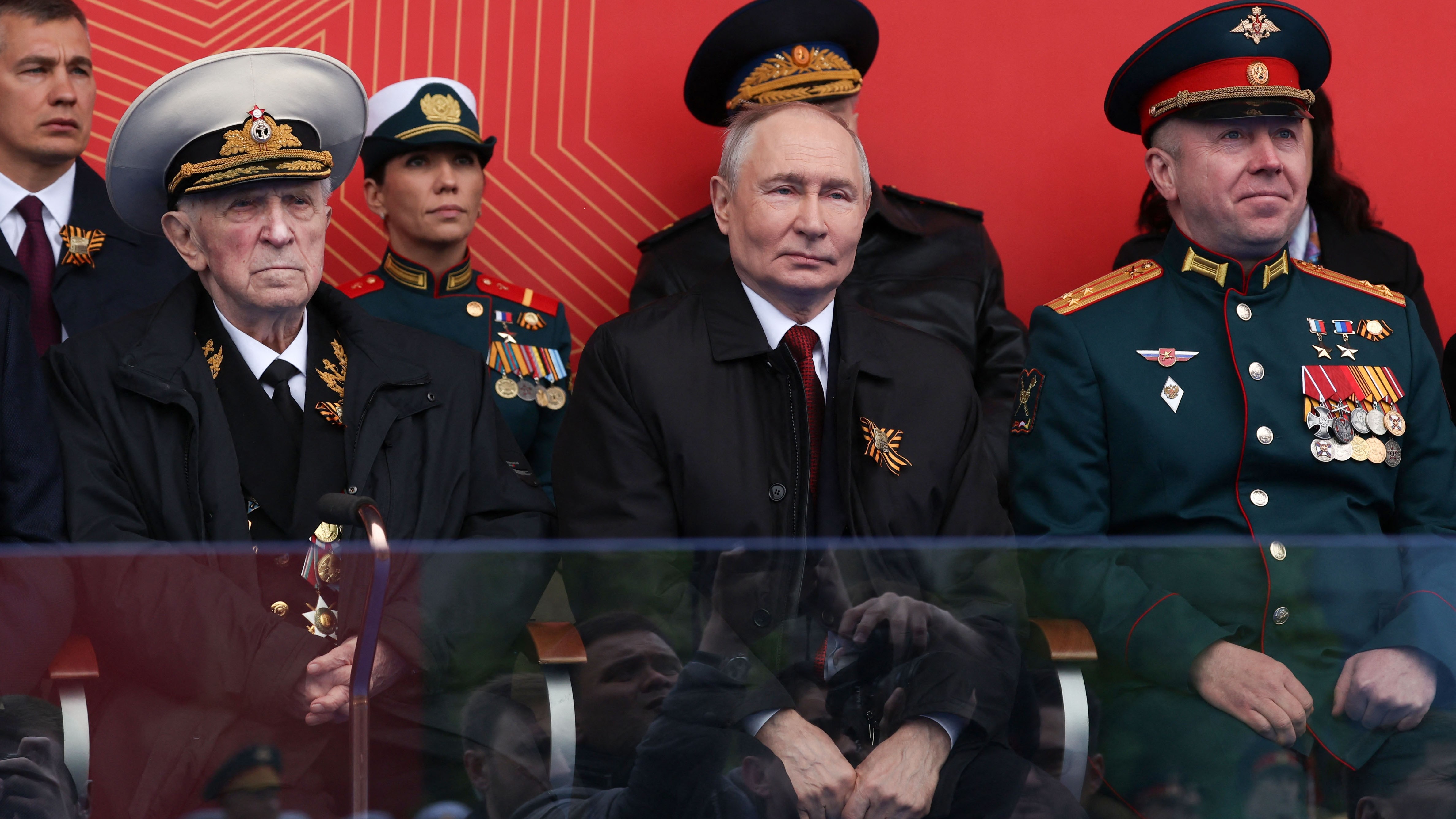
Four years ago, President Vladimir Putin offered Moscow and its business elite a de facto deal: Support my war in Ukraine, and in exchange you won’t have to think about it. In the past week, that deal was broken.Not that Moscow was ever fully immune: As long ago as May 3, 2023, the first two Ukrainian drones to reach Moscow exploded over the Kremlin, doing no damage but revealing that the capital’s air defenses weren’t as stellar as advertised—and that the war wasn’t as far away as Muscovites assumed. Eventually, the Ukrainians shifted their efforts toward Moscow’s airports, using drones dozens of times to buzz the runways or circle the airports, deliberately creating travel chaos and expense. Last week, the whining noise of unmanned flying objects could be heard in the city of Moscow once again. On the morning of May 7, the mayor of Moscow announced that the Russian air force had shot down hundreds of Ukrainian drones aimed at the city. Two days later, Moscow was due to host Russia’s annual May 9 military parade, a celebration linked very intimately with the Russian president, Vladimir Putin, who had revived this Soviet-era celebration of Stalin’s victory over Nazi Germany and his conquest of Europe.[Simon Shuster: Building tanks while the Ukrainians master drones]Suddenly, and very publicly, Russian officials appeared nervous, afraid that their parade would be spoiled. The Russian foreign minister issued a threat, promising “no mercy,” whatever that means, if Ukrainians struck the parade. The Kremlin’s spokesperson reassured Muscovites that security was tight because the “threat from the Kyiv regime” had already been taken into account. The Russian president even persuaded the American president to ask the Ukrainian president for a one-day cease-fire. Volodymyr Zelensky granted Putin’s wish, after Trump offered to broker an exchange of 1,000 prisoners of war. Zelensky then issued a magnanimous, droll decree, formally granting Putin permission to hold the parade.Th