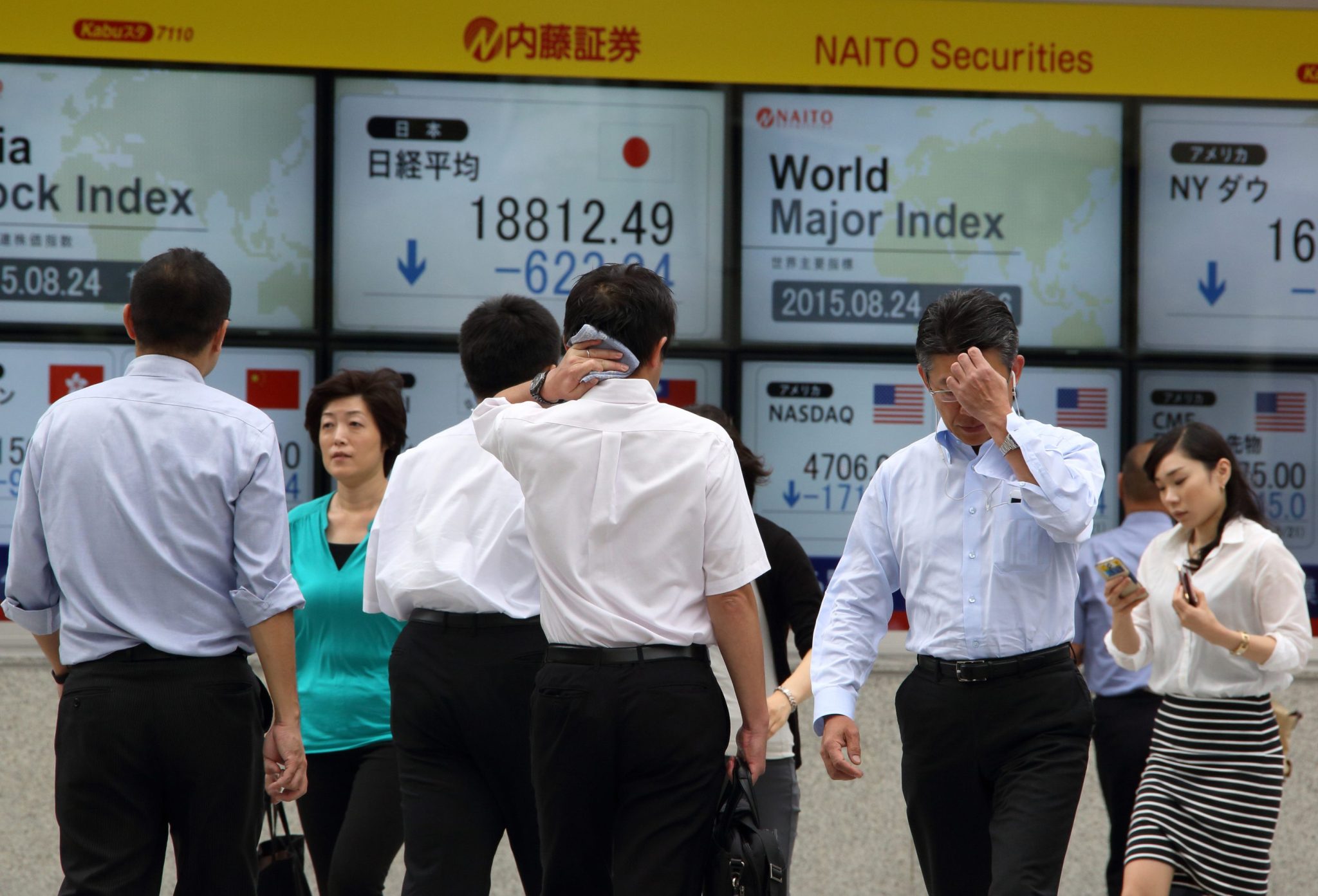
Should you go to work during a heat wave? Your productivity suffers, and GDP tanks when it’s hot
Europe is melting: a record-breaking heat wave has been crushing the continent since late May, with Paris hitting 38°C, London 33°C, and Berlin matching it. Thousands of deaths are projected before it breaks. And while the images of crowded fountains and shuttered schools dominate the headlines, the economic damage is already accumulating in ways most employers and policymakers have barely begun to reckon with. In fact, if the heat waves keep worsening, Allianz has estimated that France, Italy, Germany, and Spain alone could absorb cumulative heat-related GDP losses of $638 billion by 2030, driven primarily by falling labor productivity and surging cooling costs. “Heat affects everything from students taking important exams to workers,” said R. Jisung Park, a labor economist at the University of Pennsylvania’s Wharton School and the author of Slow Burn: The Hidden Costs of a Warming World. “Industrial accidents. You name it.” The results of heat on the economy are seen everywhere. New York City public school students who take their high school exit exams on a 90-degree day are historically about 10% less likely to pass than they would be on a 65-degree day. Workers in both indoor and outdoor settings are between 5% and 45% more likely to experience a significant injury or accident on a day in the high 80s Fahrenheit or above. And even in the United States, one of the most heavily air-conditioned countries on the planet, hotter-than-average years produce lower-than-average learning and human capital accumulation among American students, showing up in PSAT scores in what researchers describe as a highly unequal effect. It’s hot everywhere For years, the relationship between heat and economic output was more intuition than data, which Park notes dates back to at least Aristotle, and most recently to Singapore’s founding Prime Minister Lee Kuan Yew, who credited air conditioning as the secret behind his tropical city-state’