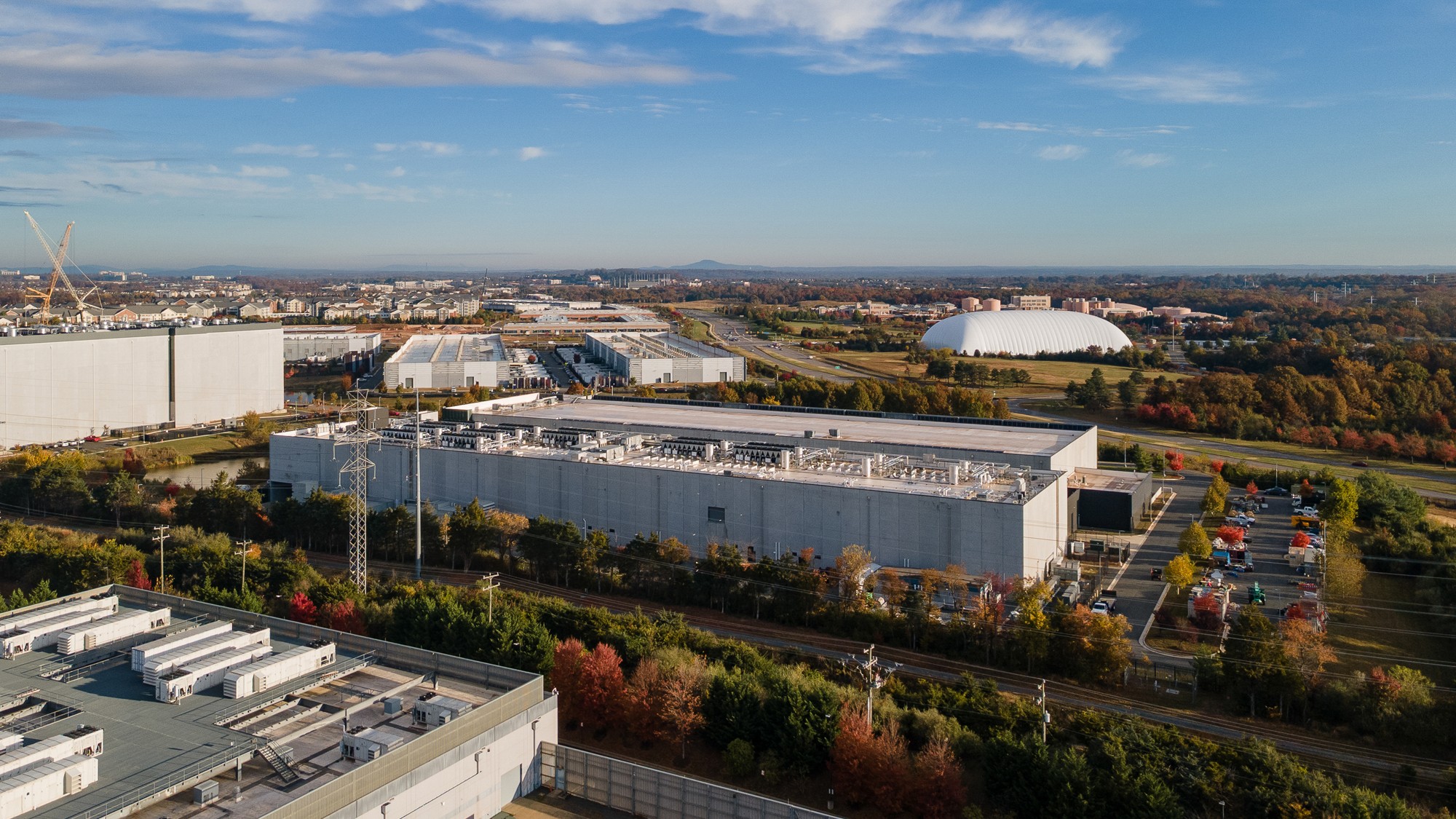
The Data-Center Panic Is Overblown
Data centers are allegedly an unmitigated disaster: They guzzle water, strain electric grids, and raise prices, all while offering almost nothing in return. Little wonder that according to a recent Gallup poll, 71 percent of Americans oppose the construction of new AI data centers in their area. Politicians of both parties are proposing moratoriums on new builds, and local officials who have approved construction in the past are losing reelection because of it.Florida Governor Ron De Santis recently captured a popular feeling about the pointlessness of building new data centers for the purpose of powering AI: “Oh, we’ve got to build a data center and charge you more because we want to do videos where I can put your head on Marlon Brando’s body and you can be Don Corleone.”But the data-center panic is overblown. Most of the complaints inflate the costs of data centers and overlook the fact that, in some contexts at least, they can bring real benefits. If saying no is good politics, it isn’t always good policy.Let’s start with the claim that data centers do not create good jobs. As Tucker Carlson put it on his show last month, they are “vinyl-clad warehouses in which sit not people making things, but computers computing things.” Sure, data centers produce a brief construction boom—but “that’s not permanent labor,” Greg LeRoy, the founder of an anti-data-center policy group, told Grist.[From the April 2026 issue: Inside the dirty, dystopian world of AI data centers]Data centers may not be the employment equivalent of 1950s-style assembly plants—and their promoters frequently exaggerate the possibilities—but new research shows that they do bring good jobs at attractive wages. Comparing counties that opened data centers with similar ones that did not, the economists Dany Bahar and Greg Wright found that the developments increased overall local employment by 4 to 5 percent. Construction employment rose 11 percent, and information-sector employment rose by 22 percent. Many