Groundbreaking DNA Analysis Identifies 1.3 Million Living Relatives of Colonial Maryland's Earliest Settlers
Key takeaways
- Meilan Solly | Senior Associate Digital Editor, History
- A new, first-of-its-kind genetic study may provide some answers to this longstanding mystery.
- Need to know: The history of St.
Meilan Solly | Senior Associate Digital Editor, History
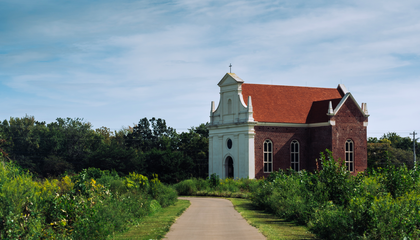
Add as preferred source. The exterior of the reconstructed chapel in Historic St. Mary s City, Maryland Maxine Wallace / The Washington Post via Getty Images During the Colonial era, residents of St. Mary’s City, the first permanent English settlement in Maryland, buried more than 400 members of their community in the cemetery at the local Brick Chapel. Most of these graves went unmarked, presenting a challenge for archaeologists attempting to identify the skeletons some 300 years later.
A new, first-of-its-kind genetic study may provide some answers to this longstanding mystery. As the authors write in the journal Current Biology, a DNA analysis of 49 individuals buried in St. Mary’s City uncovered more than 1.3 million living relatives of these early settlers. The survey also revealed familial ties between some of the dead and tentatively identified three previously anonymous sets of remains, including a skeleton that may belong to the colony of Maryland’s second governor.