Fruit Is Nothing Like It Used to Be
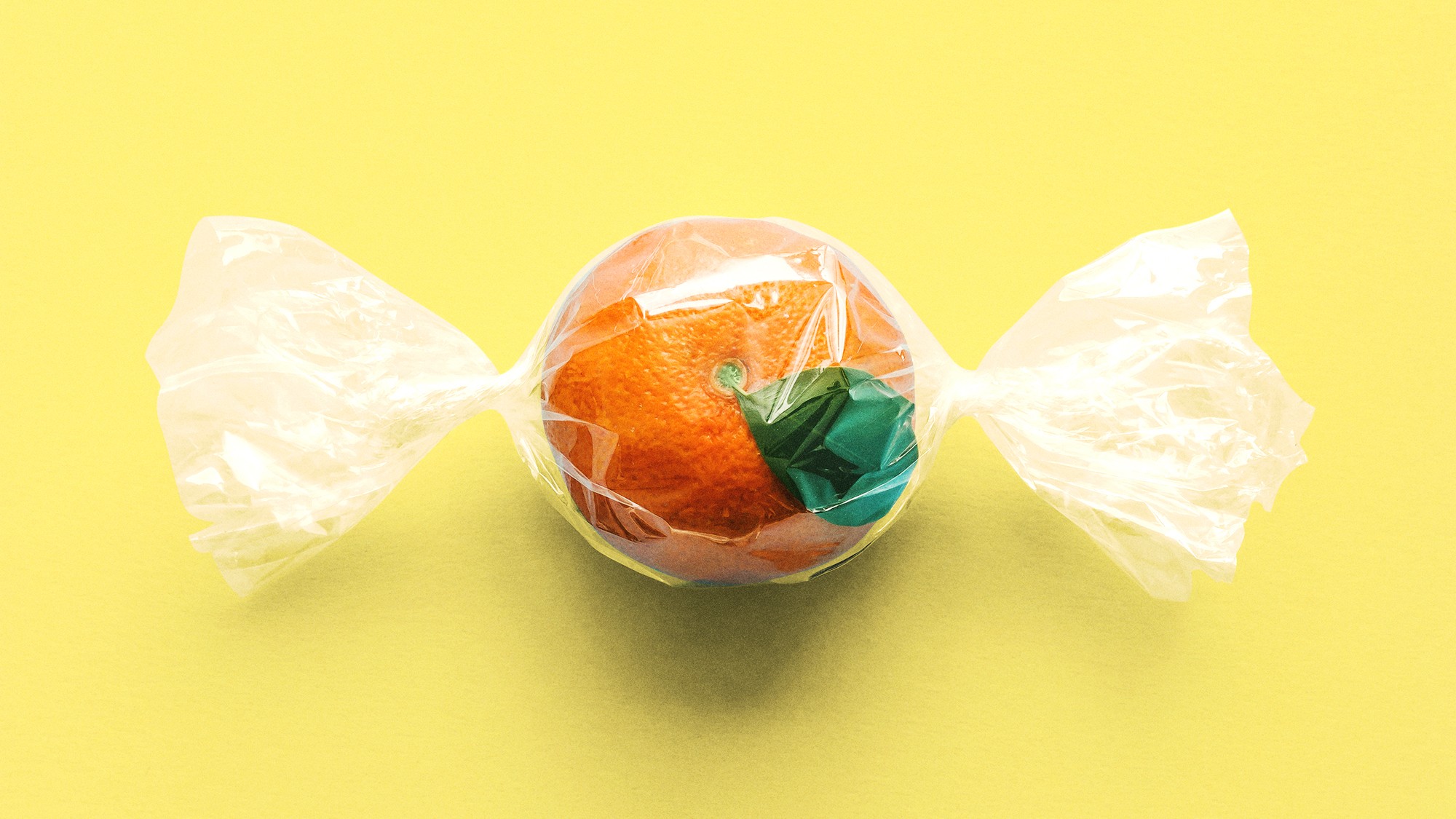
If it is possible, in this fascinating age, to be a celebrity fruit, the Sumo Citrus is definitely a celebrity fruit. The mandarin-satsuma-orange hybrid, originally developed in Japan and brought to American grocery stores in 2011, is by far the most popular new member of the citrus family, accounting for almost a third of the entire sector’s recent growth. This winter, like the winter before, my local Trader Joe’s displayed piles of them in prime position, and many times the store would be half sold-out before sunset. Sumos are discovered anew every season on social media, where people talk about their adorable bumpy heads, their generous size, and—oh!—their sweetness.Of course. As soon as you taste one, you understand. The eye-widening, tongue-coating syrupyness; the sticky dribble down your chin; the sensation of eating candy that is, somehow, also fruit, a feeling that is a teeny tiny bit like you are robbing a bank at breakfast. Food scientists measure sweetness using the Brix scale, which indicates the percentage of a given dissolved solid (sugar, basically) in a fruit’s juice. The average grocery-store mandarin orange—the kind that lived, oblivious and happy, in fruit bowls across the United States until relatively recently; the kind that doesn’t have a robust online fandom—falls somewhere from 8 to 11 degrees Brix. Sumos have been known to reach up to 18.[Read: The fruit aisle is getting trippy]The American grocery-store produce aisle is sweeter than it has ever been, crammed full of fruit a lot like the Sumo, created for an eating public that has repeatedly demonstrated it wants sweet, and will pay for it. Driscoll’s Sweetest Batch berries are notably sweeter (and notably more expensive) than the company’s traditional ones; last year, they accounted for $400 million in sales. Fresh Del Monte, meanwhile, has the Honeyglow, a pineapple that bears the slogan “When we say sweet, we mean sweet.” Cotton Candy grapes are a $100 million concern, one that now has co