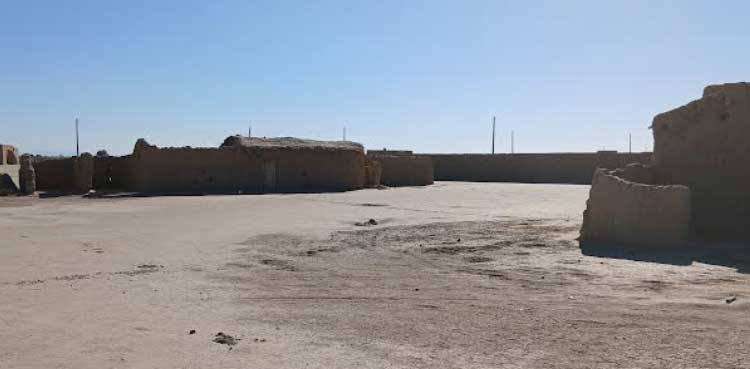
How Balochistan is undergoing water scarcity
Key takeaways
- Add ARY News on Google AAResize Prolonged dry spells in Balochistan because of climate change is exacerbating water shortage.
- In Nasirabad division, climate crisis is marked by frequent and intense floods that has displaced entire populations from their villages, leaving them without any resources to rebuild their lives.
- Climate change in Makran division has had negative repercussions on its ancient karez irrigation system.
Why this matters: local context for readers following news across Pakistan and the region.
Add ARY News on Google AAResize Prolonged dry spells in Balochistan because of climate change is exacerbating water shortage. With no rainfall to replenish its groundwater that is rapidly declining and daily rise in population, families in Quetta face an everyday struggle for water. Some are forced to travel far to fetch water or rely on expensive water tankers.
In Nasirabad division, climate crisis is marked by frequent and intense floods that has displaced entire populations from their villages, leaving them without any resources to rebuild their lives. To add to their woes, water is scarce. They are forced to send children to distant places to obtain water.
Climate change in Makran division has had negative repercussions on its ancient karez irrigation system. Its date farmers relied on these water-channels to irrigate their vast date farms. But with most karez devoid of water, date production has declined and farmers have migrated to cities. Unaffordable tankers