top
US top court says Rastafarian man cannot sue prison guards who cut his dreadlocks
Key takeaways
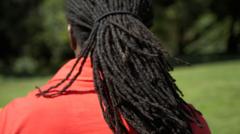
- Growing uncut, uncombed hair into dreadlocks is a symbol of devotion and spiritual growth for Rastafarians
- The US Supreme Court has ruled that a former Louisiana inmate cannot sue prison officials who forcibly shaved his dreadlocks in violation of his Rastafarian faith.
- In a 6-3 ruling, the top court said the prisoner, Damon Landor, was not entitled to monetary damages under a federal religious freedom law as it did not apply to individual officials.
Why this matters: a developing story that could shape the day's news cycle.
Growing uncut, uncombed hair into dreadlocks is a symbol of devotion and spiritual growth for Rastafarians
The US Supreme Court has ruled that a former Louisiana inmate cannot sue prison officials who forcibly shaved his dreadlocks in violation of his Rastafarian faith.
In a 6-3 ruling, the top court said the prisoner, Damon Landor, was not entitled to monetary damages under a federal religious freedom law as it did not apply to individual officials.
Article preview — originally published by BBC News. Full story at the source.
Read full story on BBC News →
More top stories
Also covered by
NY Times
Supreme Court Bars Lawsuit After Prison Guards Shaved Inmate’s Dreadlocks
The Guardian
US supreme court blocks Rastafarian man’s lawsuit over forced head-shaving in prison
LA Times
Inmates may not sue prison officials who violate their religious rights, Supreme Court rules
The Hill
Supreme Court ends forcibly shaven Rastafarian inmate’s quest for damages
Aggregated and edited by the Scoop newsroom. We surface news from BBC News alongside other reporting so you can compare coverage in one place.
Editorial policy · Corrections · About Scoop