New NASA Technology Mimics Extreme Cold of the Lunar Night
Why this matters: new research or scientific developments with potential real-world impact.
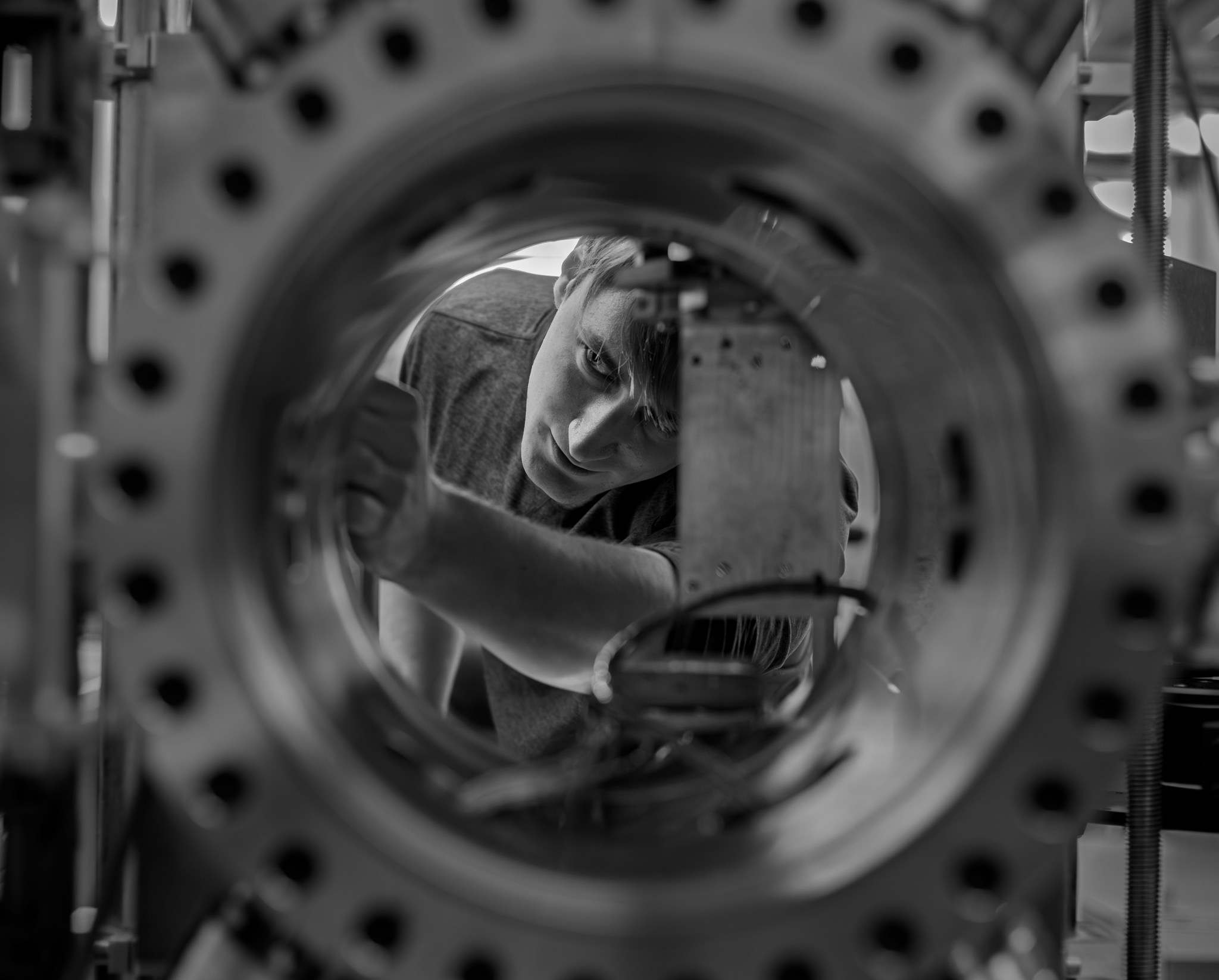
Cryogenic engineer Adam Rice tests the Lunar Environment Structural Test Rig at NASA’s Glenn Research Center in Cleveland to simulate the thermal-vacuum conditions of the lunar night on Thursday, May 22, 2025.NASA/Jef Janis As NASA looks to explore the Moon, Mars, and beyond, researchers must develop materials capable of withstanding the extreme temperatures found in space and on other planets and their moons. In frigid conditions, rubber can shatter like glass, circuit boards may fail, and electrical connections can freeze and fracture. Gaining a deeper understanding of how materials respond to these temperature extremes is critical — especially as NASA looks to build its Moon Base at the lunar South Pole, where surface temperatures swing dramatically from blistering heat during the day to bitter cold at night. Researchers developed a ground-breaking method for testing how materials hold up in the extreme cold of space. Engineers at NASA’s Glenn Research Center in Cleveland invented the Lunar Environment Structural Test Rig (LESTR), a machine that can test materials, electronics, and other flight hardware at temperatures as low as 40 Kelvin, or about –388 degrees Fahrenheit. “Just as no building ever gets built without knowing exactly how the construction materials behave, no space mission is complete without a robust structural design that hinges on knowing how the materials used within it behave,” said Ariel Dimston, technical lead for LESTR at NASA Glenn. Traditionally, NASA has used a process that involves super-cold liquids — called liquid cryogens — to test how materials respond to extreme cold. These liquids, like nitrogen, hydrogen, and helium, are some of the coldest materials on Earth and are stored in specialized tanks. Engineers use them to chill materials during testing and collect data to see how they perform. “What makes LESTR special is that the entire rig operates in a completely dry vacuum: no liquid nitrogen, no liquid helium, no liquid anything,