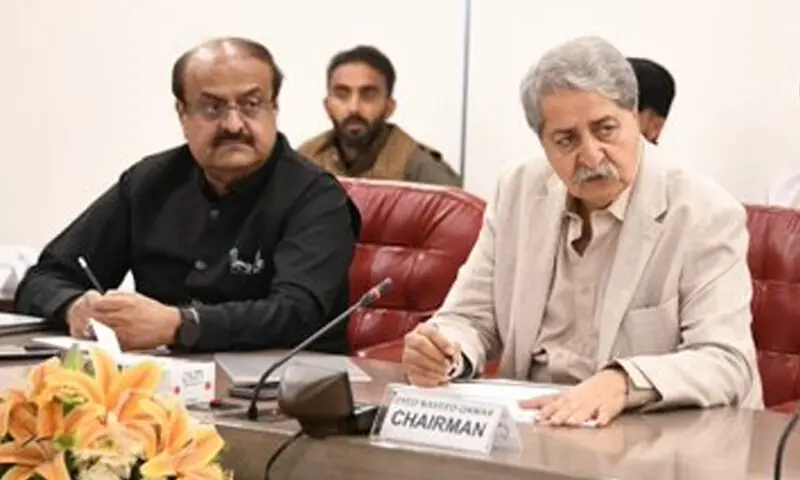
NA panel takes govt to task over budget preparation, reforms
Why this matters: local context for readers following news across Pakistan and the region.
A meeting of the National Assembly’s Standing Committee on Finance and Revenue, presided over by former finance minister Syed Naveed Qamar of the PPP, also expressed serious concern over the continued heavy reliance on indirect taxes and petroleum levy instead of sustainable expansion of the tax base. The panel was equally worried over sluggish progress on critical structural reforms when briefed by private economic analysts representing the United Nations Development Programme (UNDP). Qamar voiced concern over the growing burden of circular debt in the energy sector, the slow pace of reforms in state-owned enterprises, and rising socio-economic pressures caused by inflation, unemployment and poverty. Private economist and public financial management specialist Dr Ali Salman, representing the UNDP, told the committee that economic growth was recovering slowly but per capita income remained weak. He warned that higher-than-projected inflation could undermine economic growth. “Inflationary pressures are becoming increasingly concentrated in energy and essential food items, raising risks to household purchasing power,” he said, noting that prices of petrol, diesel, LPG, wheat flour, electricity and onions had risen between 43 per cent and 68pc during the current fiscal year. Salman said inward remittances from overseas Pakistanis and government expenditure management were performing relatively well, although he added that expenditure control was mainly supported by the fall in interest rates. His colleague Bilal Bangash cou