The ‘super El Niño’ is here. What happens next could upend food systems worldwide.
Why this matters: environmental and climate reporting with long-term consequences.
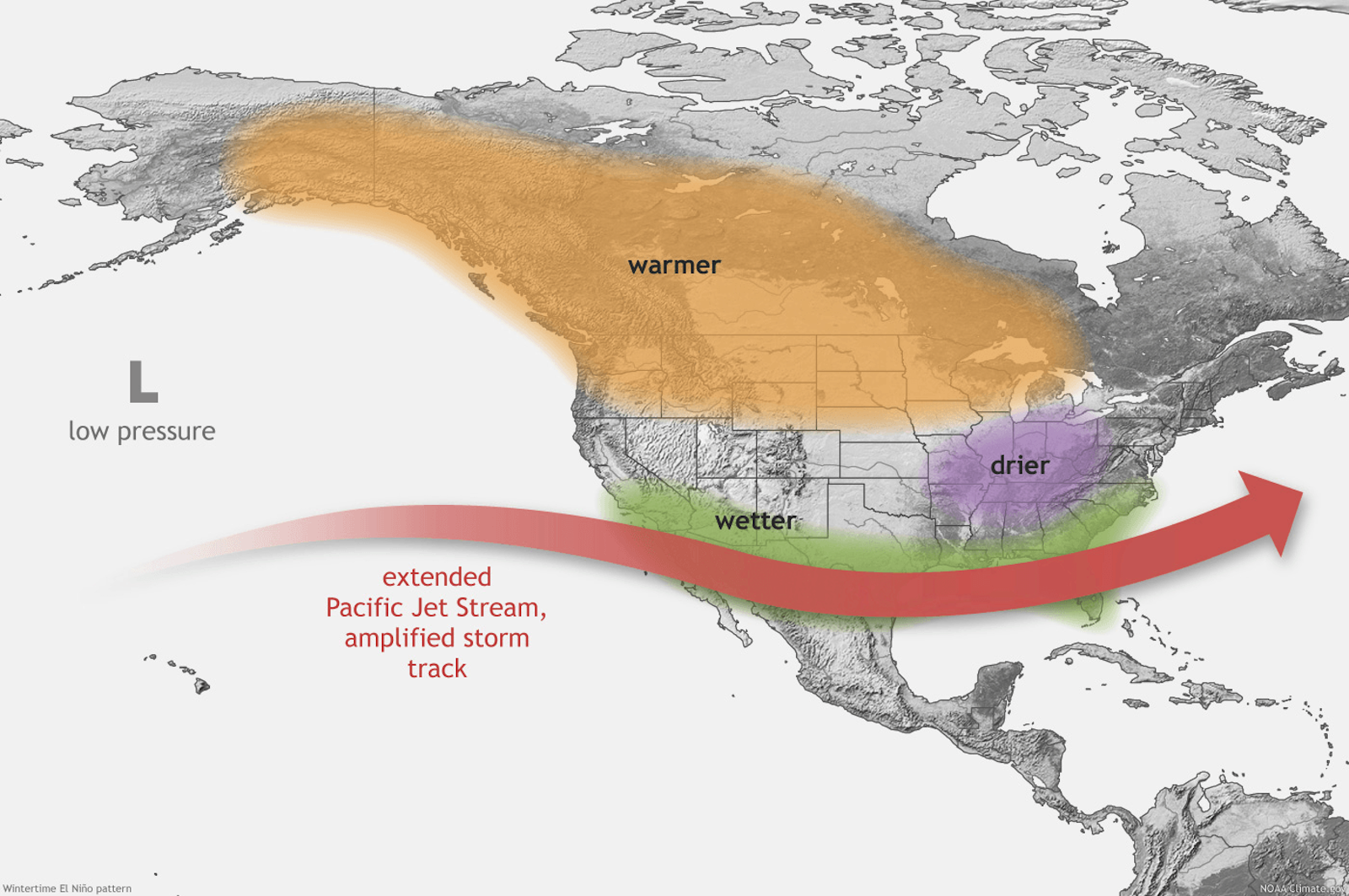
The oceanic phenomenon known as El Niño, which increases temperatures worldwide, has officially begun, according to U.S. weather forecasters at the National Oceanic and Atmospheric Administration, or NOAA. Meteorologists have warned that this could be the strongest El Niño this century. It is expected to drive extreme weather events around the world, including both severe droughts and heavy rainfall, likely leading to major disruptions in agricultural production and food security. El Niño is part of a cyclical, naturally-occurring weather pattern that redistributes warm air, surface water temperatures, and moisture across the tropical Pacific Ocean. During El Niño, trade winds that typically blow east-to-west from the Americas to southeast Asia slow down or sometimes reverse. Normally, these winds push warm water along the Equator — but during El Niño conditions, that warm water shifts back east. Although El Niño does not follow a specific timeline, it typically occurs every two to seven years. Beginning in the summer, El Niño typically peaks around December or the following January. (The pattern was named El Niño — Spanish for little boy — by fishermen in South America who noticed warmer waters around Christmas time, and associated it with the birth of Jesus Christ.) That means the most significant impacts of the cyclical weather phenomenon may not be felt until months from now. NOAA’s most recent calculations show a high likelihood of a “very strong” El Niño, meaning average surface temperatures in the Pacific jump by more than 2 degrees Celsius. (Some experts are calling this year’s a “super” El Niño, although some agencies, like the World Meteorological Organization, reject this language.) Because it impacts a “diverse set of geographies,” said Weston Anderson, a climate scientist at the University of Maryland, so “there is no one set of impacts.” El Niño can contribute to severe droughts in one part of the world and heavy rainfall in others — both of which can