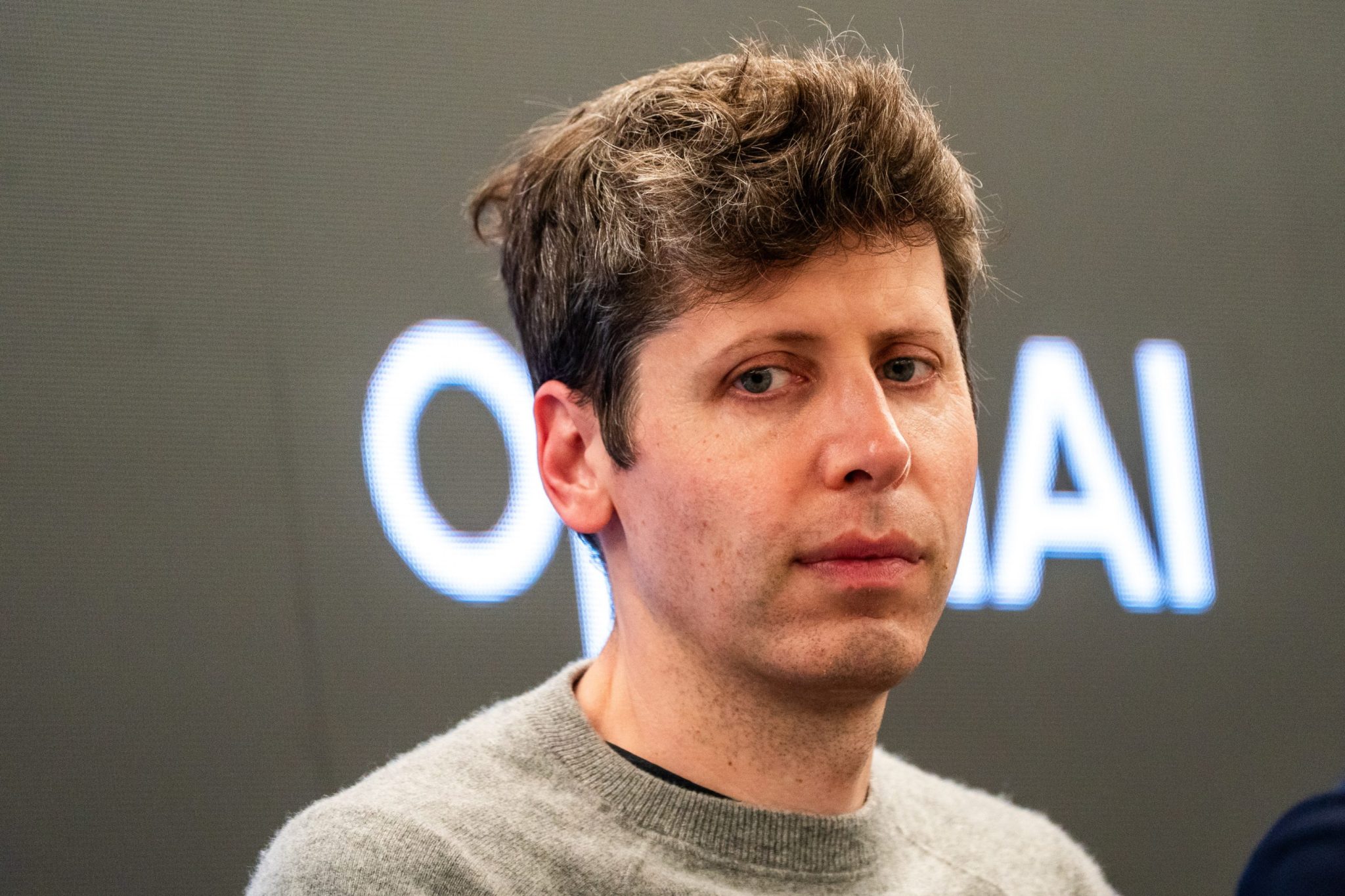
Sam Altman was ‘0%’ excited to be a CEO of a public company—but OpenAI is taking steps to compete in the AI IPO blitz anyway
Open AI may be building up to one of the largest initial public offerings ever, but CEO Sam Altman is not necessarily looking forward to helming a public company. “Am I excited to be a public company CEO? 0%,” Altman said in an episode of the Big Technology Podcast published in December 2025. “Am I excited for Open AI to be a public company? In some ways, I am, and in some ways I think it’d be really annoying.” This month, Open AI filed preliminary confidential paperwork with the Securities and Exchange Commission, setting the stage for an imminent IPO. It comes amid a blitz of announcements from tech companies taking leaps to go public, including rival Anthropic, which announced its own plans for a fall IPO the week before OpenAI’s filing. SpaceX is wrapping up its first week on the public stock market, having seen its market capitalization skyrocket above $2.5 trillion, surpassing Amazon. The ChatGPT-maker was blunt about its decision to go public, saying in a statement it announced the filing because “we expect it to leak.” “We have not decided on timing yet; it may be a while because there are things we want to do that are likely easier as a private company,” the statement said. “But it’s a complicated set of tradeoffs and this gives us the option to go public sooner if that ends up being best.” Despite his hesitance to lead a public company—which are often under more scrutiny, greater regulatory oversight, and are associated with less influence from founders—OpenAI’s IPO wouldn’t be all bad, Altman noted. “I do think it’s cool that public markets get to participate in value creation,” he said. “And in some sense, we will be very late to go public if you look at any previous company. It’s wonderful to be a private company. We need lots of capital. We’re going to cross all of the shareholder limits and stuff at some point.” An IPO would pave the way for OpenAI to raise the billions of dollars needed to compete in the AI race