‘Canaries in the coalmine of populism’: an oral history of the Brexit campaign, told by those with a front row seat
Key takeaways
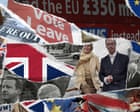
- Composite: Guardian Design/Getty Images/PA/Rex/Shutterstock/APView image in fullscreen Brexit oral history composite illustration.
- The next day, Boris Johnson, then the mayor of London, says he will campaign for leave.
- Bernard Jenkin, a senior Conservative backbencher, campaigned for leave: The starting gun was really fired in the [2013] speech.
Why this matters: a developing story that could shape the day's news cycle.
Brexit oral history composite illustration. Composite: Guardian Design/Getty Images/PA/Rex/Shutterstock/APView image in fullscreen Brexit oral history composite illustration. Composite: Guardian Design/Getty Images/PA/Rex/Shutterstock/APBrexit‘Canaries in the coalmine of populism’: an oral history of the Brexit campaign, told by those with a front row seat How five months in 2016 that encompassed Boris Johnson siding with Vote Leave, Jo Cox’s murder and David Cameron’s resignation shaped the UK’s future
Prefer the Guardian on Google20-21 February 2016David Cameron, having promised in 2013 that a future Conservative government would offer a referendum on Britain’s membership of the EU, announces the date of the vote: 23 June 2016. The next day, Boris Johnson, then the mayor of London, says he will campaign for leave.
Bernard Jenkin, a senior Conservative backbencher, campaigned for leave: The starting gun was really fired in the [2013] speech. I went to see David Cameron after that and begged him not to hold an in/out referendum, simply because it would smash the Conservative party. He said to me: “I know 50 Conservative MPs may vote leave, but we can live with that.” And I immediately realised he didn’t really understand the Conservative party at all.