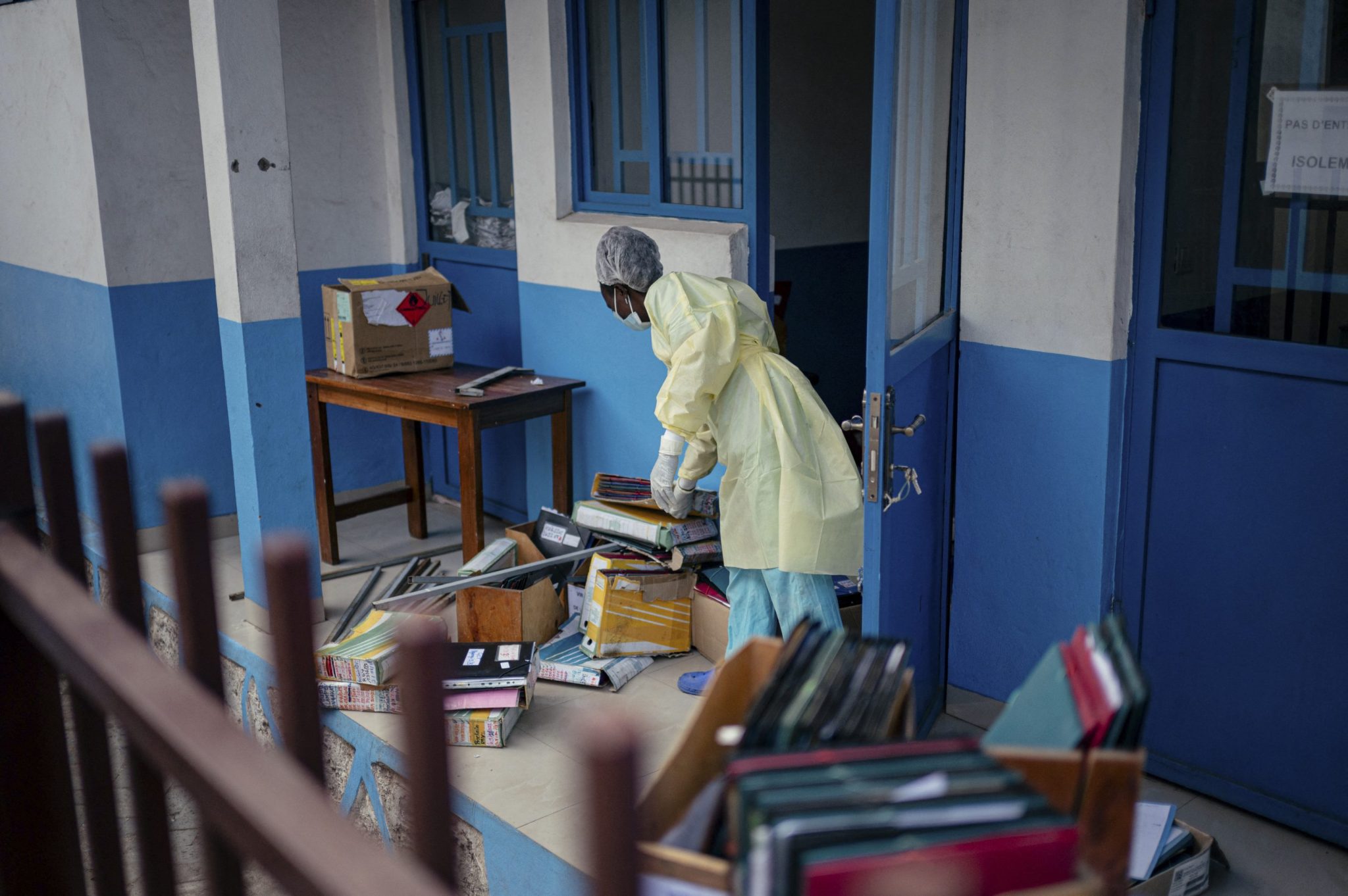
WHO declares latest Ebola outbreak a global health emergency. A rare variant of the disease with no approved treatments is to blame
The World Health Organization declared Sunday the Ebola disease outbreak in Congo and Uganda a public health emergency of international concern. Africa’s top public health body first confirmed a new Ebola outbreak in Congo’s Ituri province on Friday. By Saturday, it had reported 336 suspected cases and 88 deaths. All the cases are in Congo, except for two recorded in neighboring Uganda. Health authorities say the current outbreak is caused by the Bundibugyo virus, a rare variant of the Ebola disease that has no approved therapeutics or vaccines, making it much harder to fight. Although more than 20 Ebola outbreaks have taken place in Congo and Uganda, including 17 in Congo since the disease first emerged in the country in 1976, this is only the third time the Bundibugyo virus has been reported. Here’s what to know about the health crisis: What does the WHO’s emergency declaration mean? The WHO says the latest Ebola outbreak does not meet the criteria for a pandemic emergency, such as COVID-19, and advises against closing international borders. Its emergency declaration is meant to spur donor agencies and countries into action. However, the global response to previous declarations has been mixed. In 2024, when the WHO declared mpox outbreaks in Congo and elsewhere in Africa a global emergency, experts at the time said it did little to get supplies like diagnostic tests, medicines and vaccines to affected countries quickly. The outbreak in Congo started in a remote locality The Africa Centres for Disease Control and Prevention said the first cases were reported in Mongwalu health zone, a high-traffic mining area in eastern Congo’s Ituri province. Cases there subsequently migrated to Rwampara and Bunia health zones as patients sought medical care, the Africa CDC said, “enabling spread across three health zones.” Those other two zones are Mongwalu and Bunia, the province’s capital city. Ituri is in a remote eastern part of Congo, with poor road networks, and is mo