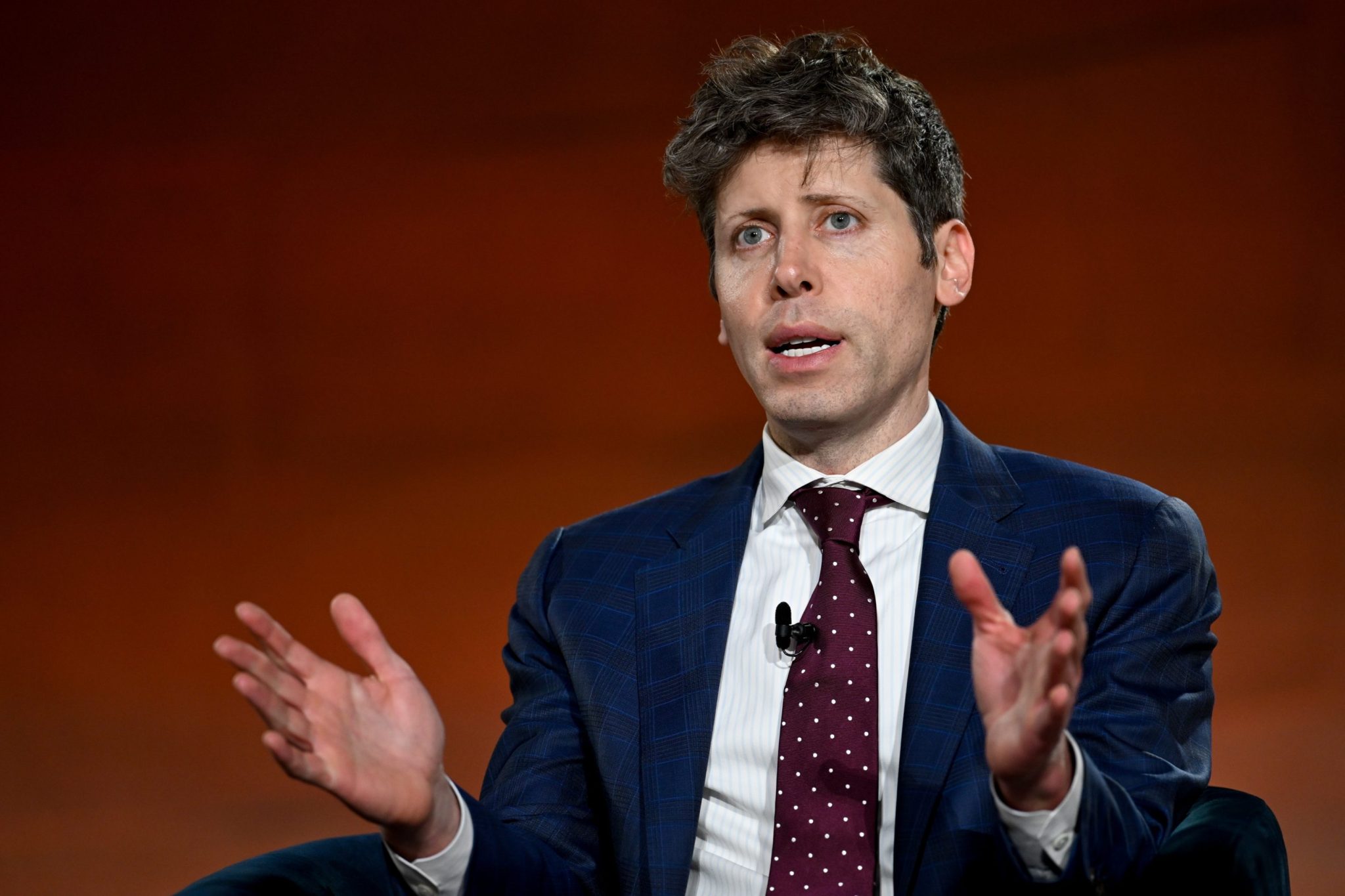
Sam Altman, Mark Cuban and Elizabeth Warren are wrong: the tax code doesn’t need an apocalypse clause
The singularity is here, or at least it feels like it. How AI will reshape the economy is still unknown, but many commentators have already concluded that the tax system will require serious changes. Billionaires John Arnold and Mark Cuban have weighed in recently with ideas ranging from taxing labor at a lower rate than capital and taxes on AI-specific features like tokens and compute. The Economist’s recent coverage of the issue proposed a new fund to offset the costs of the economic transition for those impacted by AI tools. Sam Altman and Vinod Khosla have called for drastic tax cuts on workers, while others like Sen. Elizabeth Warren have made the case for wealth taxes in response to AI’s rise. Underlying these recommendations is a sense that AI will fundamentally alter the economy. Workers could be displaced. Resources could be strained. And some use these risks to argue that tax policy also needs to change. We are skeptical. AI may be a transformative technology, but that is not a good justification for throwing core principles of tax policy out the window, certainly not based on what at this point is still pure speculation about the future of the labor market. Good tax policy involved simple rules, low rates, broad bases, and avoiding penalties for investment before and after the invention of the internal combustion engine, atomic bomb, and personal computer. The same goes for AI. Labor-saving technologies have transformed work and life in the last century even while the shares of national net income that accrue to workers and capital owners have stayed roughly stable. The US labor market is generally more dynamic than many might think if one focuses solely on layoff announcements. In 2025, there were roughly 63 million hires across the US economy and 63 million separations like quits, layoffs, and retirements. Major labor market disruption is a risk, but labor-saving technology does not automatically require unemployment. It could, instead, mean a sig