The designs that define America
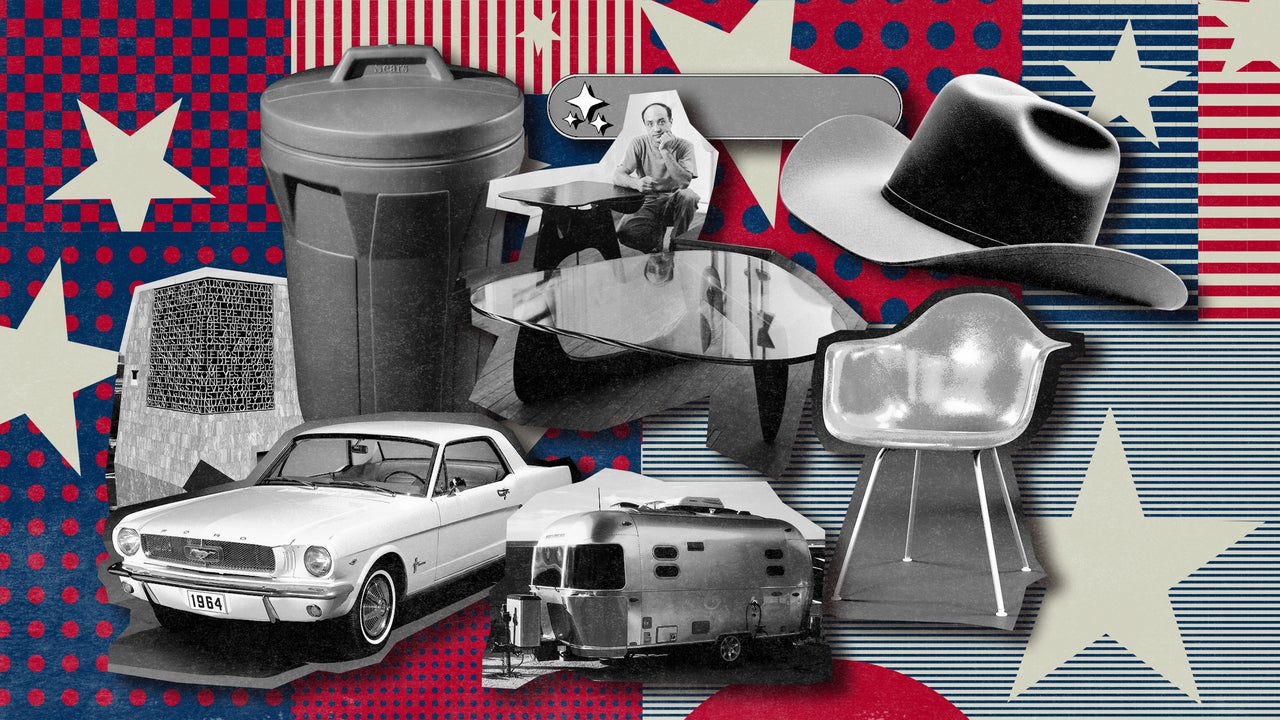
What makes a design “American?” That’s a question we’ve been asking ourselves as the United States nears 250 years of existence. In that time, the country has been defined through objects, ideas, and systems that, if not born in the U.S., at least reside here spiritually and culturally. But American design is a deeply personal thing. The country has protected its individualistic streak, sometimes at staggering costs—so one person’s beliefs about what is quintessentially American could vastly differ from those of their neighbors. It made us wonder: What do designers—the people who shape our current world—see as the designs that define America? We asked more than 30 of them, and here’s what they said. [Photo: Andrew Harrer/Bloomberg/Getty Images] President Trump’s comb-over I probably spend too much time drawing political cartoons, because I can think of no more defining piece of American design than the President’s elaborate, tragicomic comb-over. It’s appropriately gaudy, loud (almost audibly loud), and blunt. You can’t deny the ingenuity behind it. How is it done? What holds it up? And yet, it really isn’t fooling anyone. All it takes is a bit of reality—a stiff wind, a light rain—to reveal its artifice to the rest of the world. —Barry Blitt, political cartoonist [Photo: Wiki Commons] Thoreau’s cabin on Walden Pond Not exactly a design, but a choice and a site. I think it is iconic in that it represents a part of the American character that is independent, values the natural world, and relies on one’s moral intuition—all values that are ever more crucial in times like these. —Billie Tsien, founding partner, Tod Williams Billie Tsien Architects [Photo: Sears] Charles Harrison’s plastic trash can A design that defines America is the plastic trash can that the OG Black Supertoken, Charles “Chuck” Harrison, designed for Sears Roebuck & Co. in 1966. Since 1681, America has prioritized white comfort over Black death and harm. Harrison’s innovative