Iranian activist tells BBC how fear of war restarting intensifies trauma of repression
Key takeaways
- Fergal Keane Special correspondent BBC speaks with civilians inside Iran struggling with impact of war These days and nights she stays at home in Tehran.
- "Whenever I hear a disturbing sound, my body reacts involuntarily.
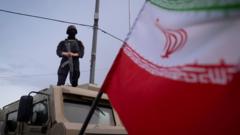
- On the streets the regime stages shows of strength, including parades by women driving jeeps mounted with heavy machine guns, others with automatic rifles.
Why this matters: a developing story that could shape the day's news cycle.
Fergal Keane Special correspondent BBC speaks with civilians inside Iran struggling with impact of war These days and nights she stays at home in Tehran. Waiting. For the sound of aircraft. Bombs. For news or no news of friends in detention. Shirin - not her real name - is constantly anxious. She is showing signs of post-traumatic stress disorder. Her left hand is no longer fully functional.
"Whenever I hear a disturbing sound, my body reacts involuntarily. The psychological pressure that entered my mind has numbed this part of my left hand. It doesn't work. I still have anxiety that the war might start again, and that is a terrifying thing."
On the streets the regime stages shows of strength, including parades by women driving jeeps mounted with heavy machine guns, others with automatic rifles.