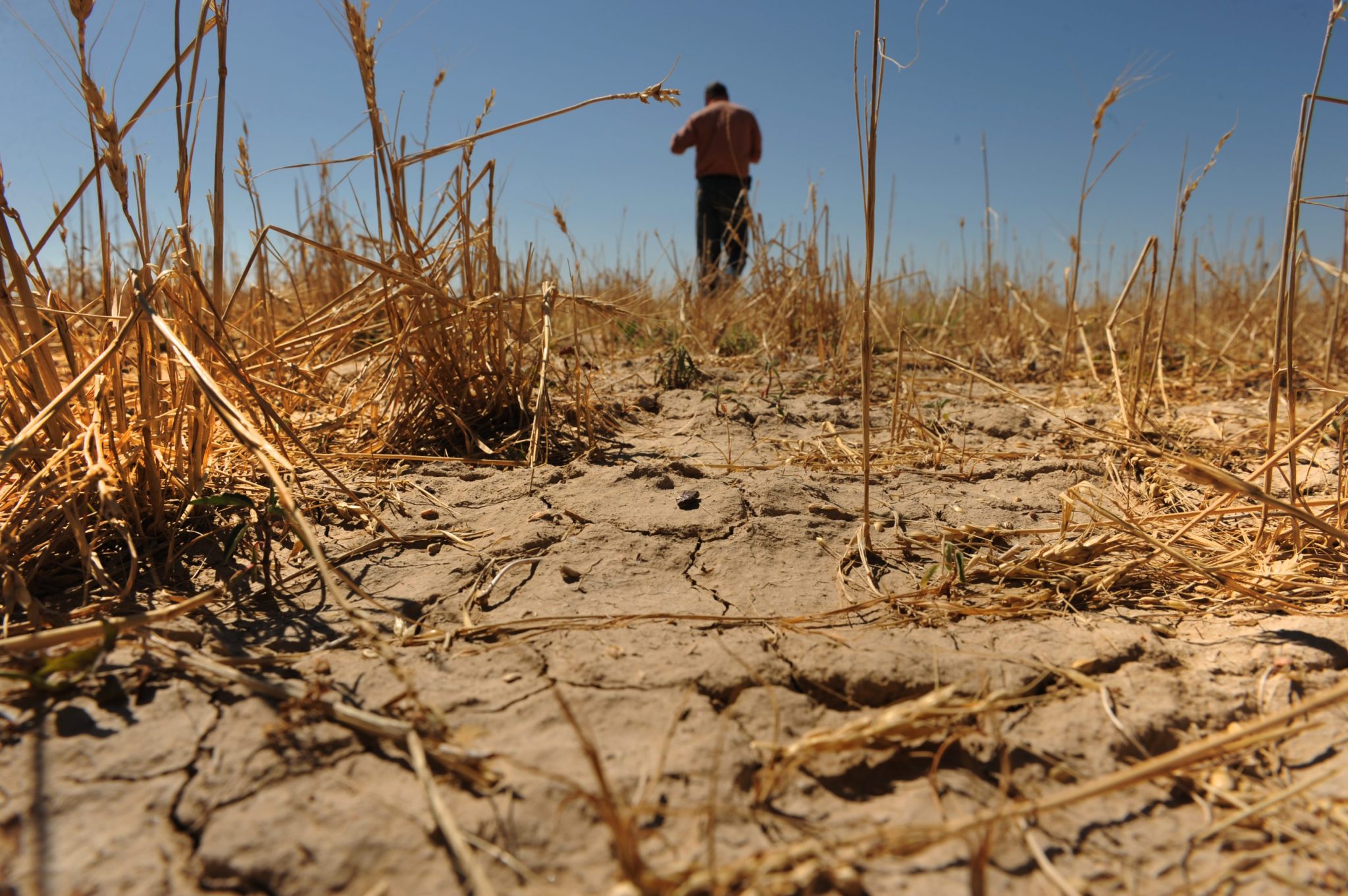
One of the most powerful El Niños on record cost the world economy $5.7 trillion. The 2026 cycle might be even stronger
Just as the global economy cautiously emerges from one crisis, another is beckoning at the doorstep, one that is completely out of politicians’ control. Markets and businesses breathed a sigh of relief last weekend when President Donald Trump announced a pending deal with Iran to cease hostilities in the Middle East and reopen the Strait of Hormuz to ship traffic. That blockaded chokepoint alone has sent energy prices and overall inflation soaring worldwide in recent months. Physical oil prices alone surged to $140 a barrel at one point, their highest level since 2008. That brief relief seemingly ignored an announcement from the National Oceanic and Atmospheric Administration (NOAA) just a few days earlier, that could create more intractable trouble for businesses in the months ahead. An El Niño event—a natural pattern generally associated with balmier temperatures—has now officially formed over the Pacific Ocean, and early forecasts suggest it will be a whopper, both for the weather and for the global economy. While it is still early in the cycle, this El Niño promises to be an intense one, and the weather ripple effects could quickly cascade globally. Past events have strained supply chains, raised costs, and exacerbated risks in sectors vulnerable to weather shifts, such as agriculture and the larger global food supply chain. Assuming current forecasts are accurate, the beast currently forming over the Pacific Ocean could do much more than tweak rainfall patterns. “El Niño is often treated merely as a weather story, but in 2026, that risks complacency,” Robert Muggah, a political scientist who has advised multiple governments on security issues, wrote in a World Economic Forum blog post earlier this month. “The latest outlook should be seen as an early warning to governments, companies and aid agencies to prepare for what could be a major systemic shock,” he wrote. Rain, drought, and trillions in losses El Niño tends to form every few years due to weakening wind