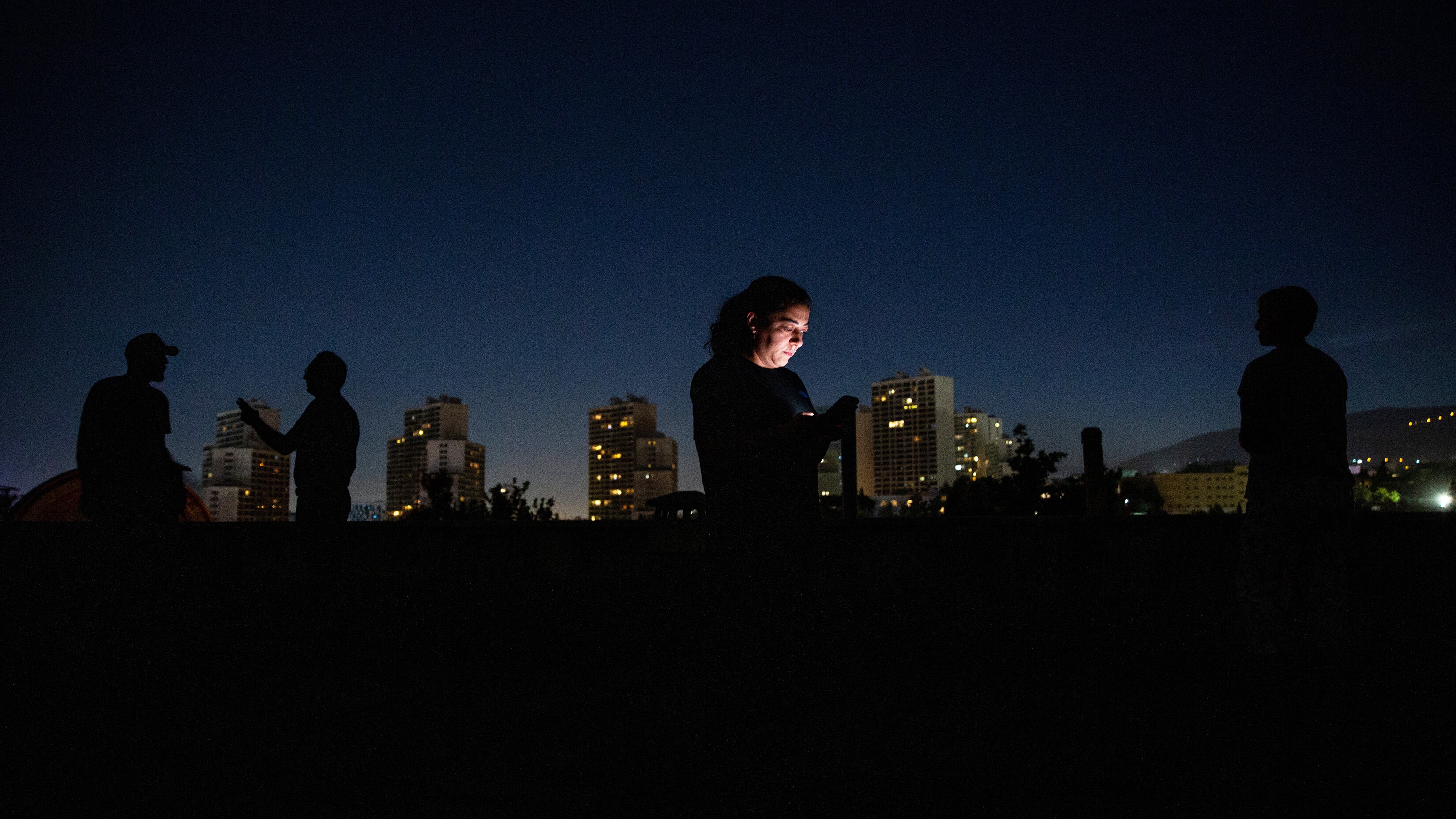
Iran’s Next Internet Blackout Is Inevitable
Starting May 26, a tsunami of posts flooded social media from Iranians, who had largely not been heard from since the war began on February 28. Video calls reunited diaspora families who had spent three months staring at a single checkmark on Whats App—the app’s signal that a message has been sent but not yet received. One Iranian user captured what many felt: “Hello from Iran’s prison after three months. We came from solitary confinement to the general ward.”Internet blackouts have become routine in Iran, imposed during anti-regime uprisings and now two wars. But this one—Iran’s fifth—was the world’s longest, according to NetBlocks, the global internet monitor. Some online connection is now restored, but for many Iranians, the partial reopening feels like the removal of a few bricks from the digital wall the Islamic Republic has built: Enough for Iranians to glimpse the outside world, but not enough for them to enter it, and the opening comes with the knowledge that the regime can brick the wall back up at any time.This is a problem that Iranians will need international cooperation—and new technology—to solve. During the 2022 protests that became known by the slogan “Woman, Life, Freedom,” smuggled Starlink kits brought some reprieve. Today at least 50,000 Iranians are estimated to use Starlink. But this year, Iranian authorities have cracked down on that technology, charging users with spying on behalf of the United States and Israel. At least one owner of a Starlink terminal appears to have been beaten and killed as a result.A technology called direct-to-cell (D2C) offers a promising alternative. It would allow the next generation of cellphones to connect to the next generation of satellites in space without needing to pass through a physical terminal on the ground. Starlink’s terminals have proved to be its vulnerability in Iran, as they have to be smuggled over borders, paid for, and concealed from a punitive state; D2C would be much harder for the authorities t