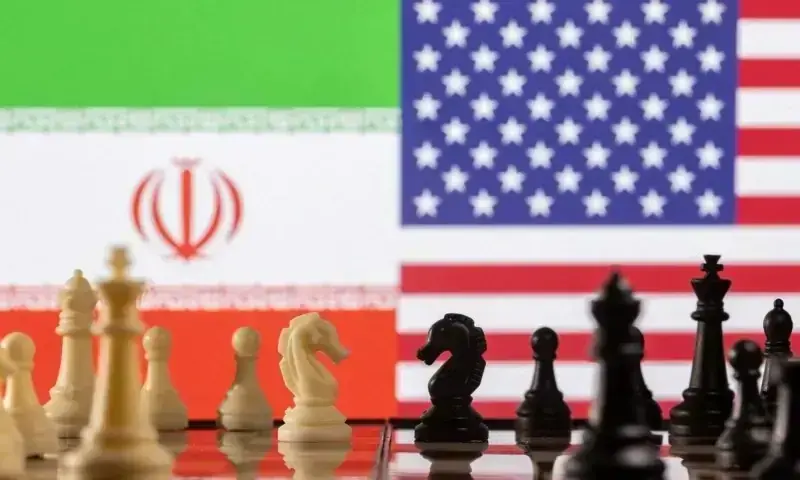
Analysis: Deal is ‘first step, not final breakthrough’
Why this matters: local context for readers following news across Pakistan and the region.
SIGNALS from the US and Iran that a framework agreement could be signed as early as this weekend are being viewed in Washington policy circles not as a final breakthrough but as the start of a tightly managed and uncertain negotiation process. Analysts at leading American think tanks, including the Atlantic Council and the Brookings Institution, caution that even if a preliminary understanding emerges, it is likely to resemble an outline agreement rather than a comprehensive settlement and would sit within a broader strategic realignment already reshaping the Middle East and the global order. US President Donald Trump has repeatedly suggested that a “major understanding” with Iran is close, while Iranian officials have also signalled progress towards an interim arrangement. Diplomats tracking the talks describe the emerging outcome as a memorandum of understanding (MoU) that would establish principles for further negotiations rather than resolve core disputes. American think tanks believe the expected MoU to outline principles for further negotiations According to Jonathan Panikoff, director of the Scowcroft Middle East Security Initiative at the Atlantic Council, what is taking shape remains preliminary. “It’s not a deal. It’s an MoU. It’s a rough outline and high-level explanation of the concepts a deal is supposed to be about,” he said, noting that a 60-day negotiating window would likely follow. Panikoff argues that Washington must preserve leverage throughout this period, including a continued US military presence in the region as a deterrent signal. He also stresses the need for closer coordination with European partners, saying the US should work with France, Germany and the UK to ensure “a unified policy toward Iran”. He further suggests that any durable agreement would likely have to extend beyond nuclear constraints to include Iran’s missile programme and regional network of allied groups, alongside wider regional stabilisation efforts. Diplomacy amid unce