Breathe Pakistan: Aurangzeb calls for putting available funds to 'effective use' for tackling climate change
Why this matters: local context for readers following news across Pakistan and the region.
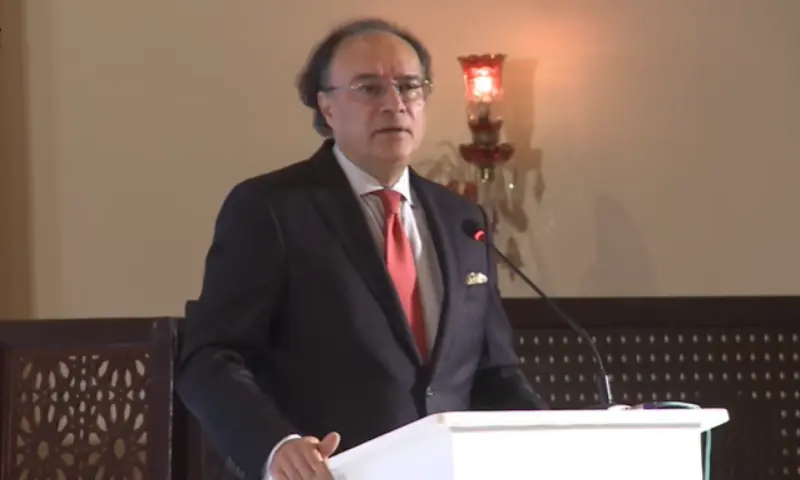
The second edition of The Breathe Pakistan International Climate Change Conference, organised by Dawn Media, is currently underway in Islamabad. Despite contributing minimally to global emissions, Pakistan remains among the most climate-vulnerable nations, underscoring the critical need for coordinated, locally grounded, and globally informed responses. The two-day conference brings together policymakers, experts, and stakeholders from across sectors to examine intersecting challenges and chart a path forward. The first edition of Breathe Pakistan sparked national dialogue and global collaboration around vital climate challenges — from climate justice and finance to renewable energy transitions, disaster risk reduction, and inclusive public-private partnerships. View the full agenda here. 12:14pm — Panel talk on climate finance begins A panel discussion, titled “From Pipelines to Capital: Delivering Climate Finance at Scale”, has begun. Anam Rathor, programme lead for Pakistan at CVF-V20, is moderating the panel. 12:07pm — ‘Plans should not end up collecting dust, but cheques’: Hamza Ali Haroon Hamza Ali Haroon, regional director for South and West Asia at CVF-V20 Secretariat, delivering an online address at the conference, said that Pakistan’s climate plans must not “end up collecting dust, but rather cheques”. “Let me be candid here, we are experts at making plans, and carefully designed plans,” he said; however, he maintained that they must focus on mobilising capital and must deliver. 11:58am — Intensity of 2025 floods ‘much larger’ but govt deemed int’l aid not needed: Aurangzeb Finance Minister Muhammad Aurangzeb addresses the Breathe Pakistan conference. — White Star/Tanveer Shahzad Speaking about what his ministry could do regarding climate change, Aurangzeb underscored the importance of macroeconomic stability, terming it as necessary as “basic hygiene”. He mentioned the disastrous floods of 2022, as well as 2025, adding that “this time around, the intensity