U.S. consumer confidence inches up even as the Iran war sends energy prices soaring
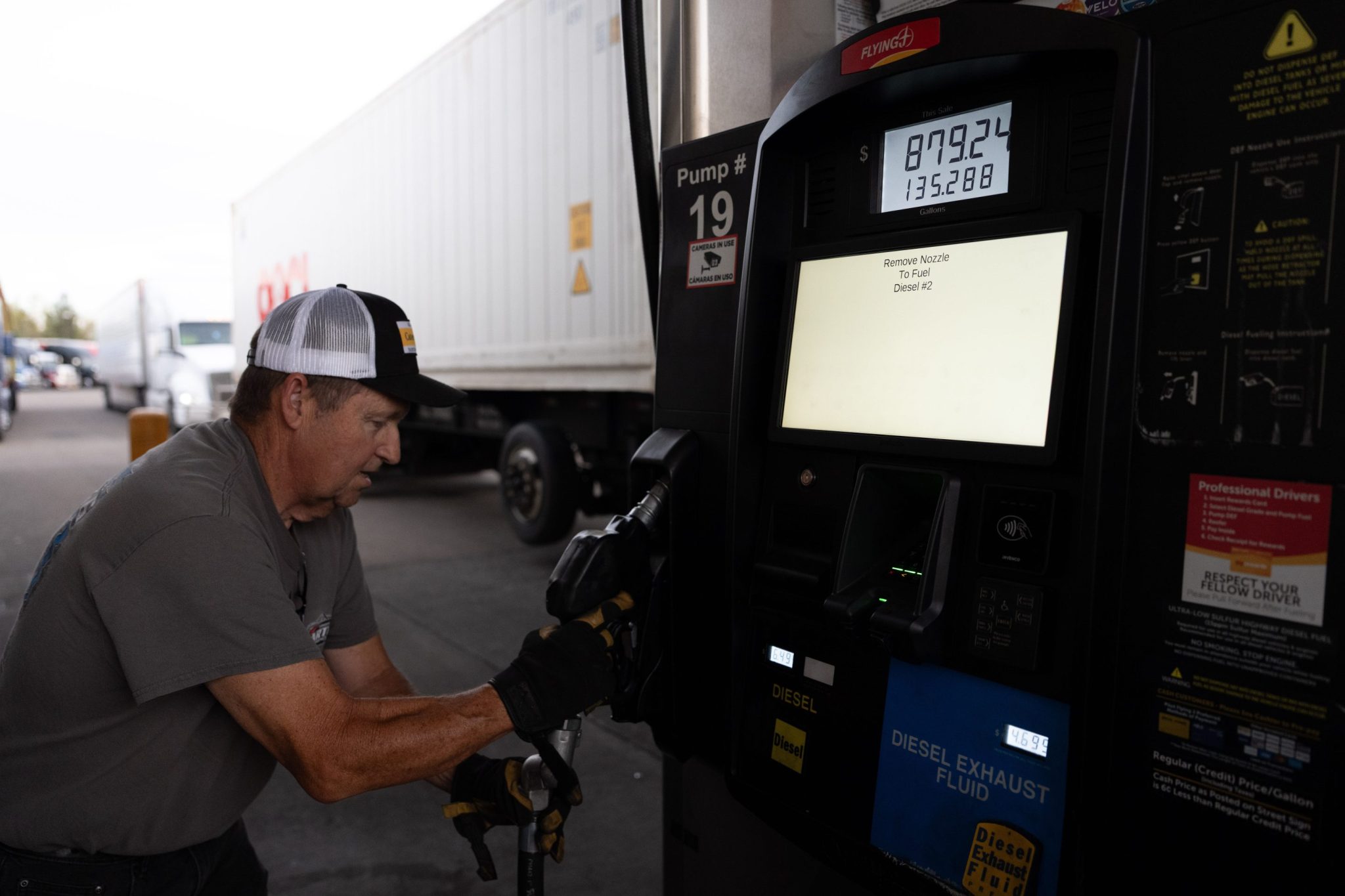
U.S. consumer confidence rose modestly in April despite growing anxiety over soaring energy prices brought on by the war in Iran. The Conference Board said Tuesday that its consumer confidence index inched up to 92.8 in April from 92.2 in March. Though the gauge measuring American consumers’ confidence has ticked up the past two months, the reading remains mired near its lowest level since the COVID-19 pandemic. Respondents’ comments about prices, oil, gas and the war increased in April as the national average for a gallon of gas in the U.S. rose to $4.18 this week, up more than a dollar since before the war began. The last time U.S. drivers were collectively paying this much at the pump was nearly four years ago, following Russia’s invasion of Ukraine. The largest monthly jump in gas prices in six decades caused a sharp spike in inflation last month, creating major challenges for the inflation-fighters at the Federal Reserve. Consumer prices rose 3.3% in March from a year earlier, the Labor Department reported earlier this month, up sharply from just 2.4% in February and the biggest yearly increase since May 2024. On a monthly basis, prices rose 0.9% in March from February, the largest such increase in nearly four years. It’s the first read on inflation to capture the effects of the Iran war. The surge in gas prices will stretch the budgets of lower- and middle-income households as it erodes their incomes, making it harder to afford other necessities such as food and rent. “Consumers are singing the blues,” said Heather Long, chief economist at Navy Federal Credit Union. “They aren’t happy with high prices for gas, housing, electricity and many other items. It’s clear consumers aren’t going to feel much better until there’s an end to the Middle East conflict.” Government data from earlier this month showed that the inflation gauge closely monitored by the Federal Reserve moved 2.8% higher in February from a year ago, a sign that prices were persistently eleva