Paradise Revisited
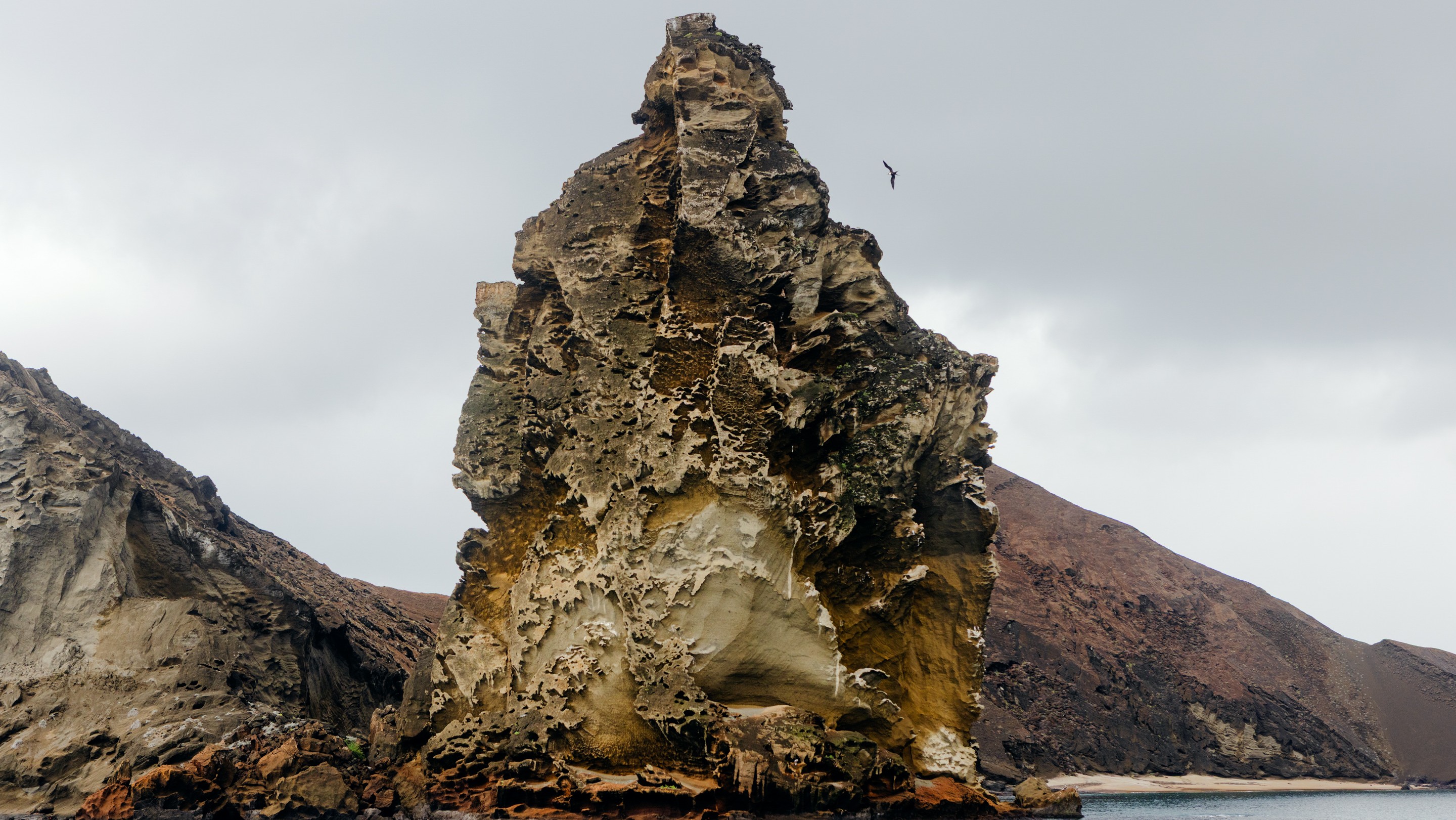
Photographs and videos by Will Matsuda My first encounter with a Galápagos tortoise came when the driver of my taxi from the airport attempted a risky overtaking maneuver into the path of an oncoming bus. On the island of Santa Cruz, which is bisected by a single highway, this is a favorite sport: The white Toyota Hi Luxes that serve as taxis overtake tour buses, while tour buses overtake trucks. But this time, the driver quickly pulled back behind the slow-moving car ahead of us. “Tortoise,” she explained.And there it was—a great dome, an overturned bathtub, trying to cross the road. What set of circumstances favored an animal that weighs up to 600 pounds, moves at four miles a day, and takes a quarter of a century to reach sexual maturity? The answer is: a remote island chain formed by volcanoes, with little fresh water and no predators, where life moved at a languid, lumbering pace—at least, until humans appeared. The tortoise’s reaction to the traffic was typical of its kind. It retracted its head into its shell and fervently wished for the bus to go away.The Galápagos Islands owe their place on rich travelers’ bucket lists to the vision of them as an unfallen Eden, touted as “the laboratory of evolution” that inspired Charles Darwin to write On the Origin of Species. When he visited, humans’ presence here was limited to whalers, buccaneers, and political prisoners. Today, more than 300,000 people visit the archipelago each year. Every tourist desperate to see an untouched paradise is part of a constant influx that risks despoiling the very thing they came to see.Will Matsuda for The AtlanticPinnacle Rock, a volcanic spire on Bartolomé IslandOn his arrival, in 1835, Darwin marveled at the lack of fear shown by all the animals, thanks to their limited exposure to humans. “Met an immense Turpin: took little notice of me,” he wrote in his field notebook about encountering a tortoise on September 21. Perhaps the poor turpin should have been more wary: By October 12,