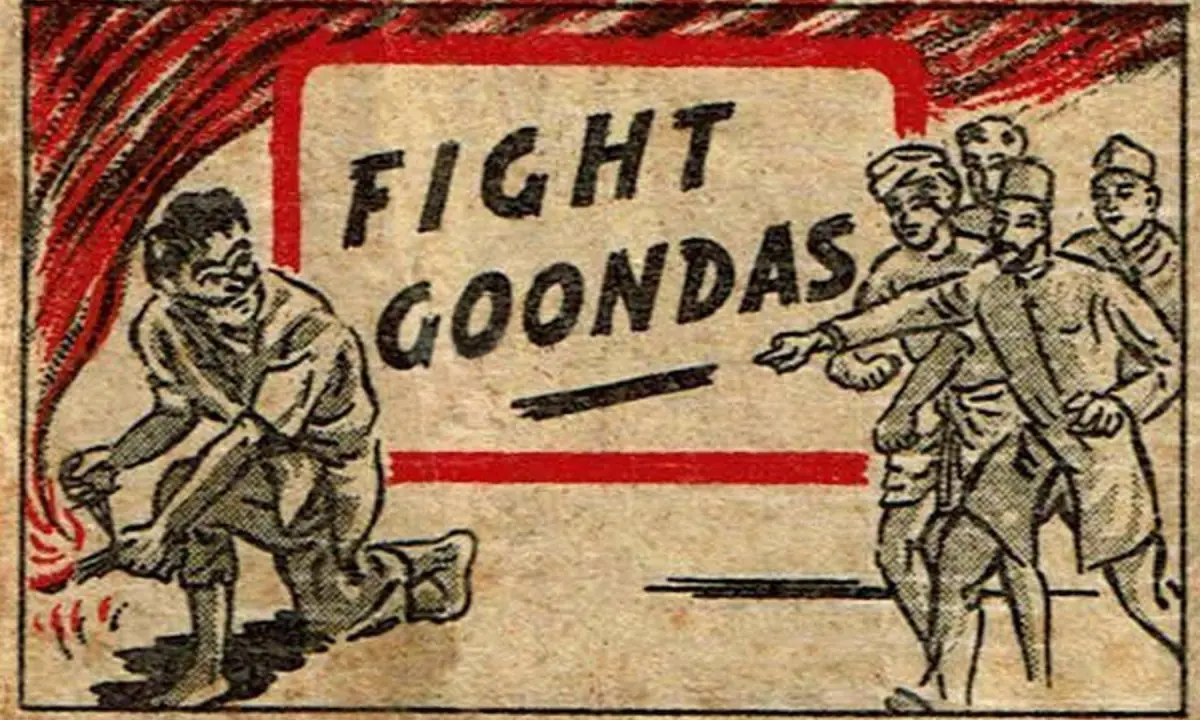
The Punjab government can cancel you with this law
Why this matters: local context for readers following news across Pakistan and the region.
Seventy-eight years after independence, Punjab is moving with aplomb to legislate a law of such a draconian nature that it would make even the officers of the British Raj blush. The Punjab Control of Habitual Offenders and Anti-Social Behaviour Bill, 2026, proposes a regime in which the executive can freeze a person’s bank account, seize their property, remove their online presence, confiscate their phone, and place them under electronic surveillance, all on the basis of an intelligence committee’s assessment of their conduct. The 2026 Bill does not merely replicate the most sordid colonial-era repression, but rather turbo-charges it in what can only be described as a fitting celebration of the unbroken intellectual continuity of our bureaucracy from the colonial era. The bill has been cleared at the committee level and just needs the Punjab Assembly to vote for it to go live (expected Sunday). The bill was moved by Khalid Mahmood Ranjha of Mandi Bahauddin of the PML-N, a retired district and sessions judge. Goonda raj The 2026 Bill finds its intellectual foundations in 1871, when the British enacted the Criminal Tribes Act. The Act classified entire communities as hereditary criminals, subjecting their members to registration, movement restrictions, mandatory roll calls, and settlement in designated enclosures. The law rode above ordinary criminal procedure, and its punishments were administrative and not judicial. What made it particularly useful to colonial administrators was precisely that it bypassed the evidentiary standards and procedure required by ordinary law for sanctions. By 1918, colonial administrators wanted to extend this machinery to individuals outside the Criminal Tribes framework. Drawing directly on the Act, the Restriction of Habitual Offenders (Punjab) Act, 1918, was passed, the very law the 2026 Bill now proposes to repeal and replace. Under the 1918 Act, a person could be declared a “habitual offender” and restricted to a specified geographi