French PM resolves to step up economic aid as Middle East conflict drags on
Key takeaways
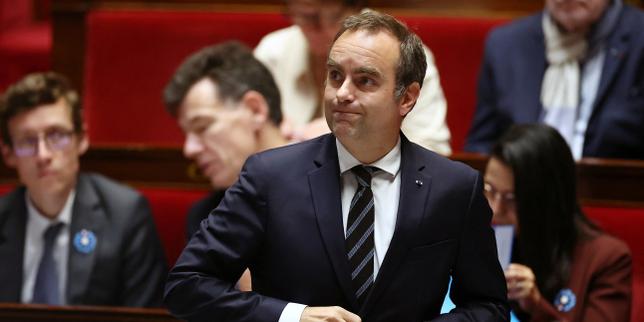
- Prime Minister Sébastien Lecornu at the Assemblée Nationale in Paris, France, on May 5, 2026.
- France's flat growth in the first quarter, sitting at 0%, seems to have provoked – or accelerated – a political turning point.
- You have 82.91% of this article left to read.
Why this matters: an international story with cross-border implications worth tracking.
Prime Minister Sébastien Lecornu at the Assemblée Nationale in Paris, France, on May 5, 2026. ALICE SACCO/REUTERS The phrase was, oddly enough, both precise and vague at once. "Henceforth, we must change the scope and scale" of economic aid measures, Prime Minister Sébastien Lecornu told the Assemblée Nationale on Tuesday, May 5, in response to the consequences of the war in the Middle East. When, how and at what cost? That was left unclear. All the prime minister promised was that the government would "speak at the start of next week." Nevertheless, the objective was clear: The government believes it is necessary to significantly boost subsidies for those suffering from the current oil price shock, even if that makes France's already tough budget situation even more complicated.
France's flat growth in the first quarter, sitting at 0%, seems to have provoked – or accelerated – a political turning point. Earlier in the year, the government was still seeing some good news. Despite Donald Trump's tariffs, the French economy had held up rather well in 2025. Tax revenue was higher than expected, the deficit fell faster than planned, and these elements made the government's 2026 growth and deficit targets look credible.
You have 82.91% of this article left to read. The rest is for subscribers only.