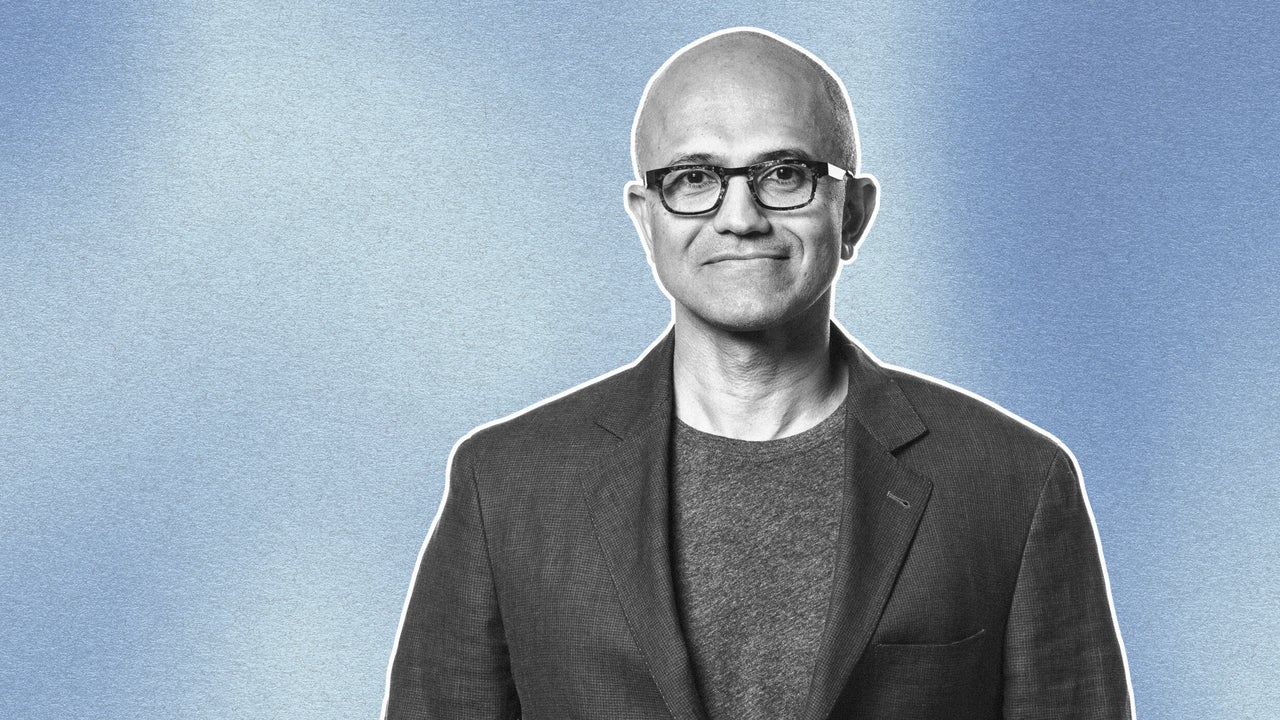
Satya Nadella is asking the right AI question
The most important idea in AI right now may not be coming from a research paper, a model release, or a benchmark. It may be coming from a short essay published by Microsoft CEO Satya Nadella. In it, Nadella argues that the future of the firm will depend on something he calls the interaction between human capital and token capital: the knowledge, judgment, relationships, and ingenuity of people on one side, and the AI capability organizations build and own on the other. The terminology is new. The underlying observation is not. Over the last several months, in a series of articles that began with the argument that large language models were never designed to run companies, continued through the idea that enterprise AI must move from answers to outcomes, and eventually arrived at the conclusion that enterprise AI is still waiting for its equivalent of the World Wide Web, I have been making a related point: The central challenge of enterprise AI is not intelligence itself—it is architecture. What makes Nadella’s essay interesting is that it arrives at many of the same conclusions from a completely different direction. Because if you follow his argument carefully, it leads to a conclusion that much of the enterprise AI industry still seems reluctant to confront: the future of enterprise AI is not the model. It is the learning loop. The shift from intelligence to compounding intelligence The most revealing sentence in Nadella’s essay may be this one: “The real opportunity is not in picking the best model but instead in building a learning loop on top of models where human capital and token capital compound.” That is a subtle statement. And a profound one. For the last two years, enterprise AI conversations have largely revolved around model capability. Which model reasons better? Which model writes better code? Which model has the largest context window? Which model tops the benchmark rankings? Those questions matter. But they implicitly assume that intelligence itself i