The New Roe v. Wade
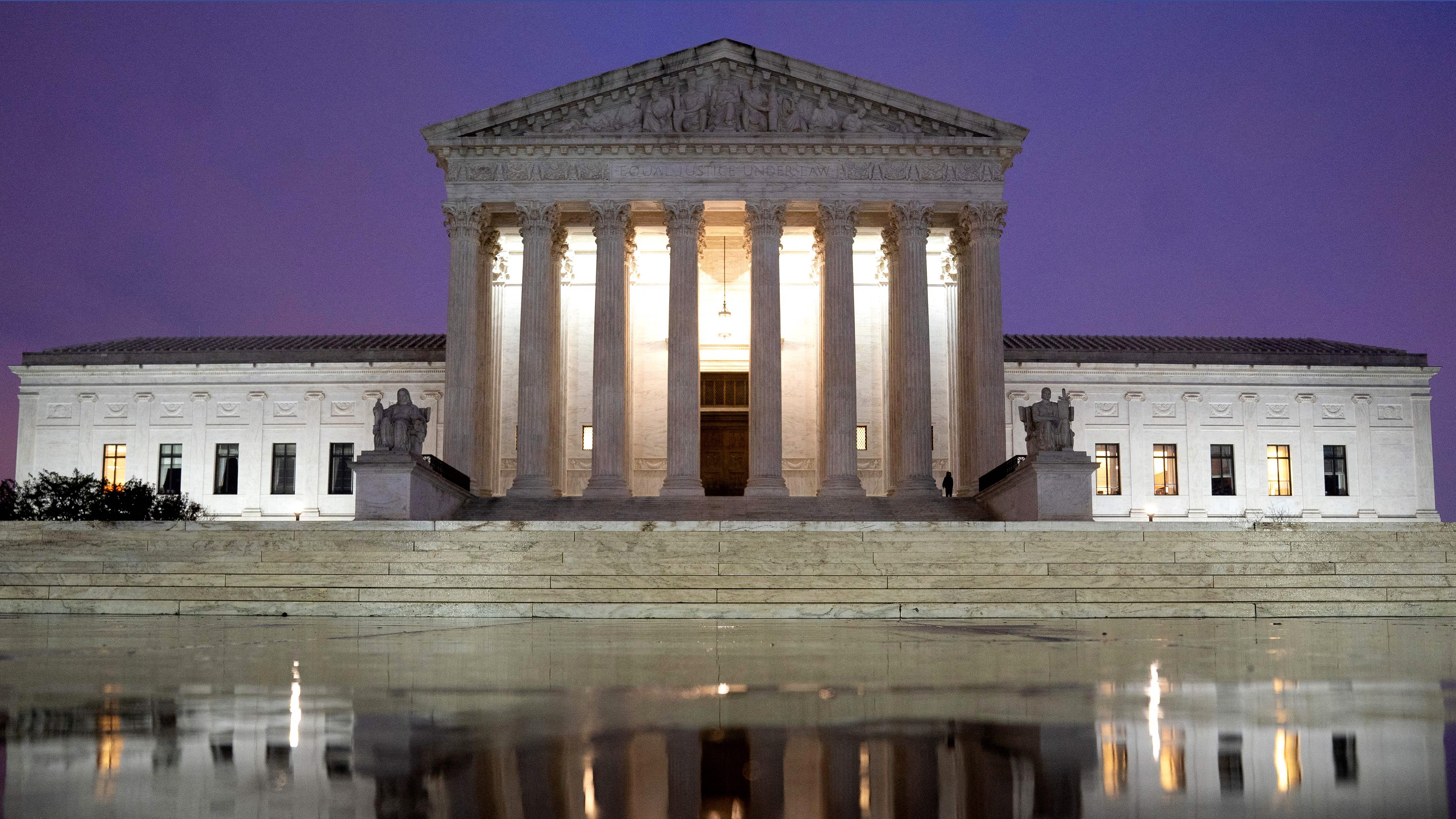
In 1898, the same Supreme Court that upheld Jim Crow segregation as constitutional also upheld the Fourteenth Amendment’s guarantee of birthright citizenship, by a 6–2 vote. This was a profoundly racist Court in a profoundly racist era—around the peak of the lynching epidemic—that nonetheless could find no way around the plain text of the Constitution, and was forced to affirm that people of Chinese descent could be citizens.Nearly 130 years later, in our much more enlightened time, that bedrock guarantee drew more opposition at the Supreme Court. This week, in Trump v. Barbara, a 6–3 majority struck down President Trump’s executive order repealing birthright citizenship for undocumented immigrants and temporary visitors. But only five justices voted to invalidate the order on constitutional grounds. The other four indicated varying degrees of openness to narrowing birthright citizenship, if not exactly along the lines that the Trump administration had sought.By ruling with such a slim majority, “the Court has just handed right-wingers a new bloody shirt to wave in every single political campaign,” Aderson Francois, a law professor at Georgetown University, told me. “The main legacy of the decision is that for the next few years, this will become the new Roe v. Wade.” After all, conservatives now know they are only one vote away from eliminating birthright citizenship by judicial fiat.The Fourteenth Amendment has not changed since 1898. What have changed are the Republican Party and the modern conservative movement. Trump believes that “if you import the Third World, you become the Third World.” His rise to power began with his willingness to be a standard-bearer for a movement that cast the first Black president as an illegitimate invader and demanded to see his birth certificate. Trump’s second-term campaign promised “mass deportation” of those very same “Third World” immigrants, and since taking office, he has established an effectively whites-only refugee policy