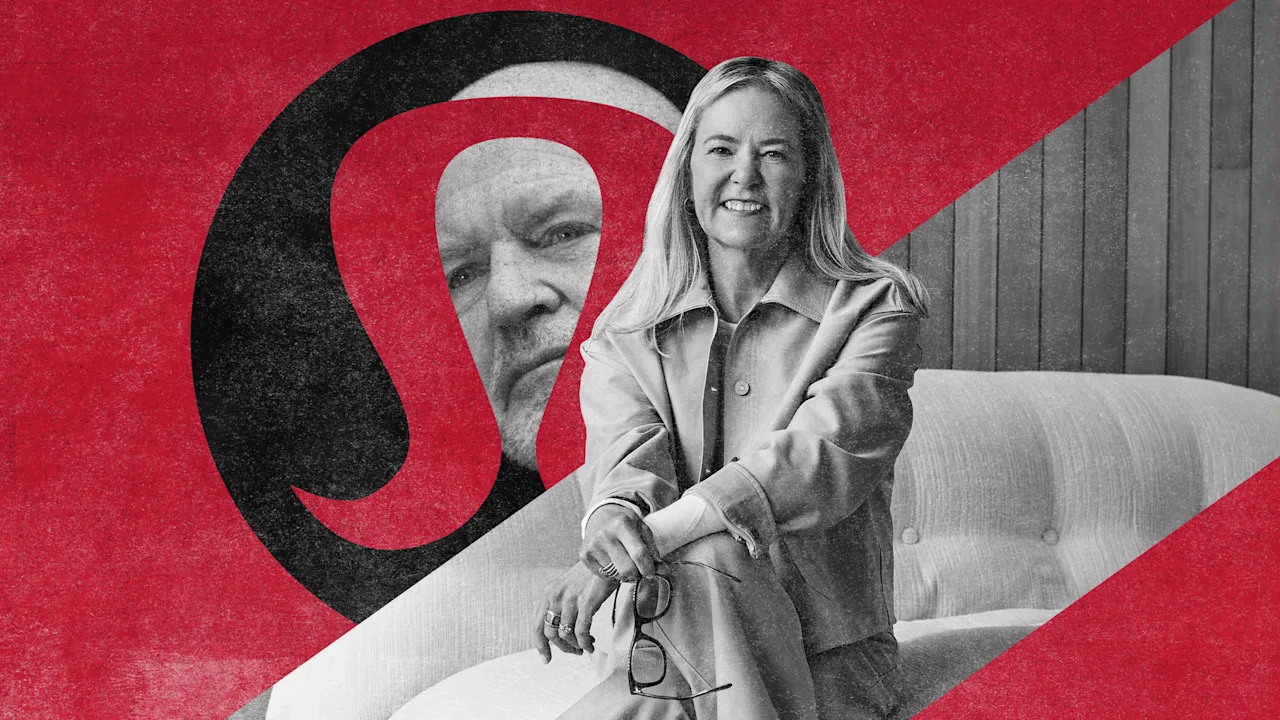
Lululemon needs its ‘Gap’ moment
Heidi O’Neill is having a tough week. In late April, the Lululemon board announced it had ended its monthslong search to replace CEO Calvin Mc Donald, who left the company abruptly in 2025 after six years at the helm. As soon as the company announced that O’Neill, a 26-year Nike veteran, would be taking on the position, things got messy. Lululemon’s stock took a plunge, suggesting that investors didn’t think O’Neill was the right pick. And many analysts—including myself—argued that following the Nike playbook would not lead Lululemon out of its financial doldrums. Then, Lululemon founder Chip Wilson weighed in. Wilson launched the company in 1998 as a yoga brand and left in 2005, but he has never stopped trying to stay involved, and he still wields considerable power at the company as its largest shareholder. He had made it clear that he didn’t approve of McDonald’s leadership, and in a LinkedIn post, he went after the board for choosing O’Neill, arguing they should be looking for “passionate, creative renegades who have a vision that will shake up the status quo.” Wilson’s judgment is not always right. This is someone who once had to apologize for saying that women’s thighs rubbing together was responsible for the pilling on Lululemon leggings—a comment widely perceived to be body shaming. And last year he criticized Lululemon’s diversity, equity, and inclusion policies for welcoming customers “you don’t want . . . coming in.” But that doesn’t mean his instincts are always wrong. What Lululemon needs right now is the kind of revitalization we’re seeing at Gap—and it’s worth paying attention to how that brand pulled it off. The legacy apparel brand, founded in 1969, had gone through several years of declining sales. But these days it’s having a moment. Over the past two years, it has had hit marketing campaigns every season, tapping stars like Young Miko,