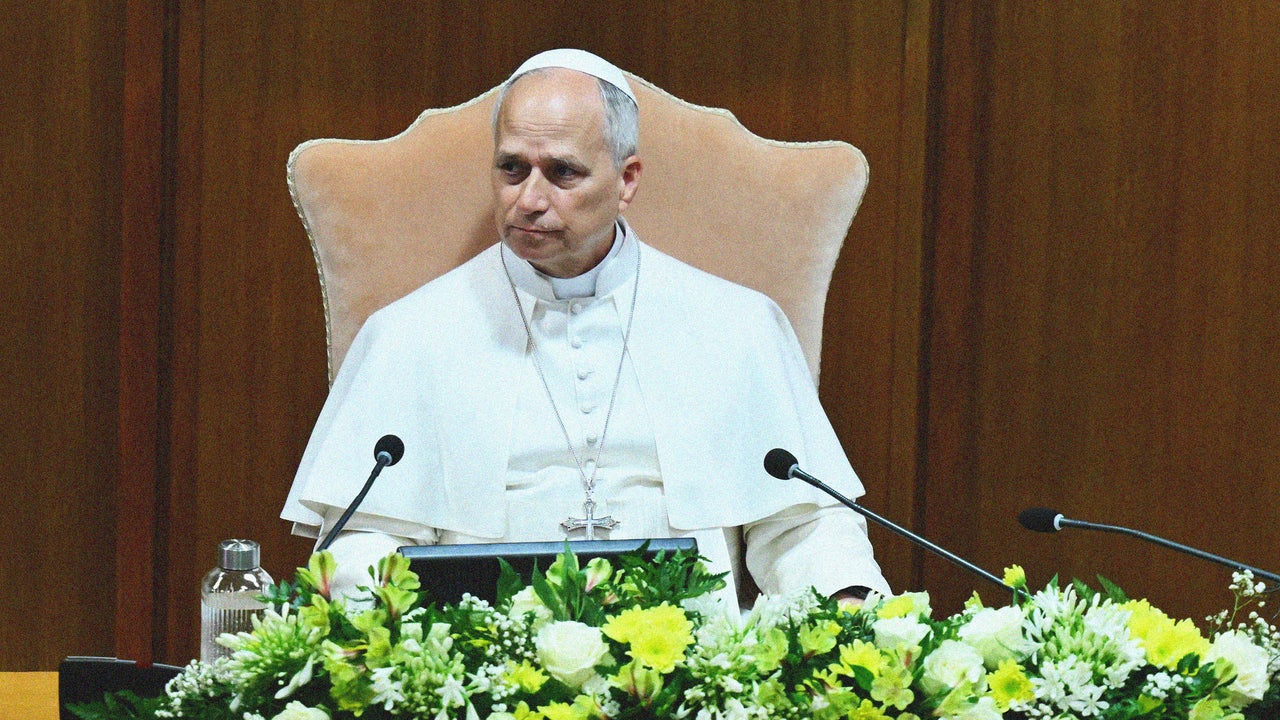
Pope Leo XIV’s AI encyclical is getting a mixed reception from the tech world
A day after Pope Leo XIV released his much anticipated encyclical on AI, the response from the AI community has been mainly positive, with some quibbling over the nature and potential of the technology. The Vatican released the encyclical, titled Magnifica Humanitas: On Safeguarding the Human Person in the Time of Artificial Intelligence, in Vatican City on Monday. (An encyclical is a high-importance teaching document issued by the Pope.) Broadly, the document aims to demarcate the fundamental differences between humans and machines and warn about the dangers of allowing AI to be controlled and distributed by a small group of people. The Pope denounced the “culture of power” driving the AI race, referencing the small set of wealthy investors and tech companies currently controlling the development and distribution of the technology. Leo’s concerns also reflect a much broader religious debate around AI that has emerged across faith traditions in recent years. Religious leaders and scholars from Christianity, Judaism, Islam, and Buddhism have wrestled with everything from AI-written sermons and chatbot theologians to the technology’s impact on labor, misinformation, warfare, and the environment. While some communities have embraced AI tools for research, translation, and religious education, many leaders have emphasized that machines cannot replace divine inspiration, moral judgment, or the human relationship to faith. Pope Leo himself recently warned priests against using AI to prepare homilies, arguing that artificial intelligence “will never be able to share faith.” Within the AI research community, the response to Magnifica Humanitas has been mainly positive. One researcher, Chris Olah, participated in the Vatican’s process of shaping the ideas behind the encyclical. “This clearly raises questions beyond computer science,” Olah said in a companion statement to Magnifica Humanitas. “The machinery that makes this possible is the work of math and programming and scie