Landlords who were barred from evicting tenants during COVID are in settlement talks with DOJ to recoup as much as $1.5 billion
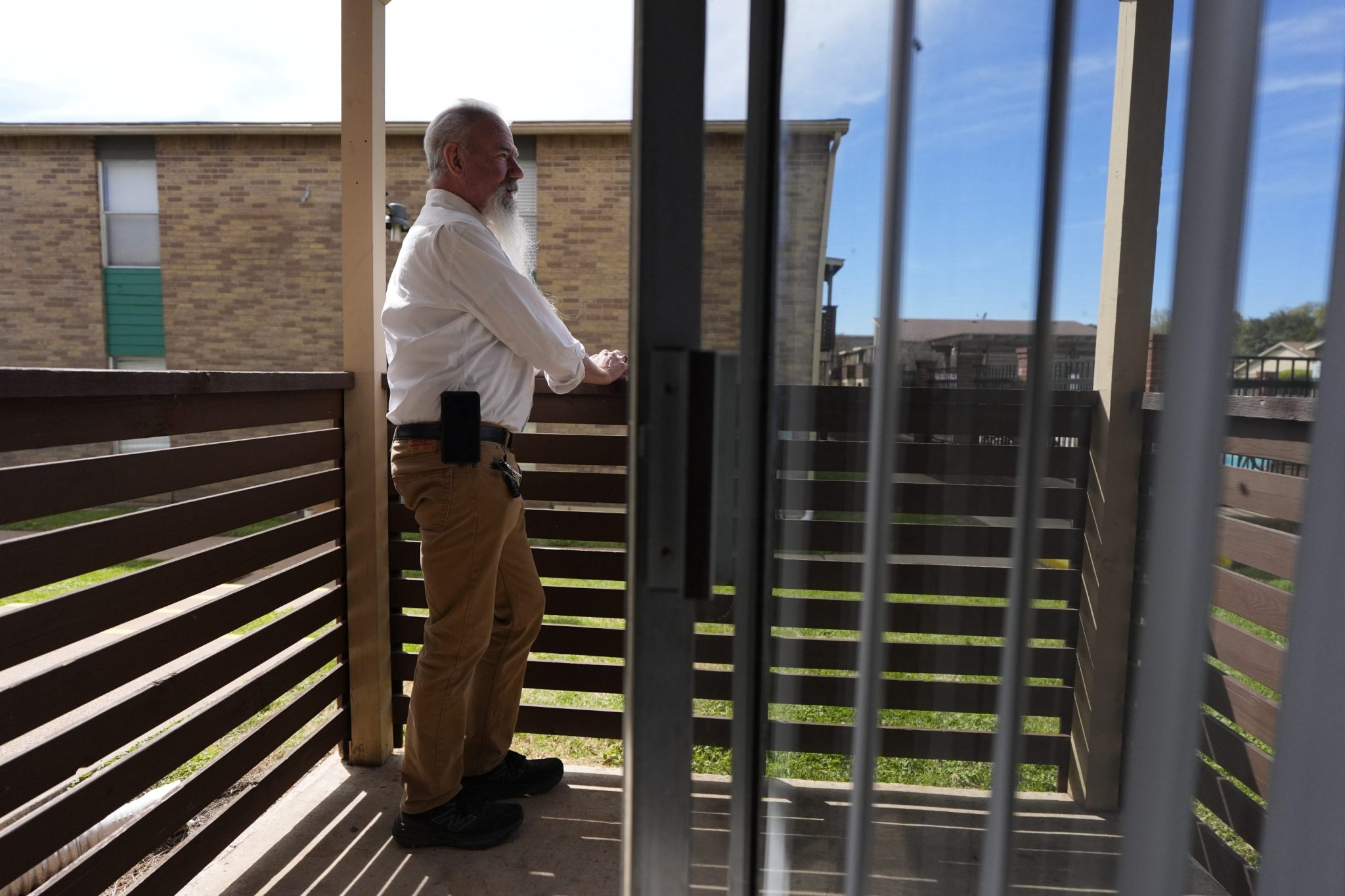
Just months into the pandemic, Matthew Haines, like landlords across the country, learned he was barred from evicting tenants who didn’t pay their rent under a federal eviction moratoriumthat lasted almost a year — costing him and his investors over $1 million. Now, the 57-year-old Texan is hoping to get some relief. Haines is among more than 1,500 property owners who filed a federal lawsuit arguing the moratorium enacted by the Centers for Disease Control and Prevention violated the Fifth Amendment by unlawfully denying them compensation. Plaintiffs range from those who lost thousands of dollars to one who lost over $14.5 million. After initially losing in the Court of Federal Claims in 2022, the plaintiffs won on appeal and are now in settlement discussions with the Justice Department. Landlords are hoping to recoup as much as $1.5 billion — a fraction of what the industry lost. “It’s important for us to stand up when a group like the CDC unilaterally, functionally, decides that they have a right to oversee our business,” said Haines, who owns three rental communities with 240 units in Arlington and Irving, Texas. “What I hope that we will accomplish and, to some extent, we already have, is vindication for ourselves,” he said. “But what’s more important to me is that hopefully my investors will recover some of that money that they should have had coming in over the last six years.” The federal eviction moratorium lasted from September 2020 through July 2021, and was among the pandemic’s most divisive policies. It ended after the Supreme Court ruled the CDC lacked authority to impose the ban without congressional authorization. The Justice Department, responding to Associated Press questions about the landlords’ case, said it does not comment on ongoing litigation. Landlords say moratorium was bad for business Moratoriums were also imposed in 43 states and scores of cities, which lasted longer than the federal ban because states and cities have br