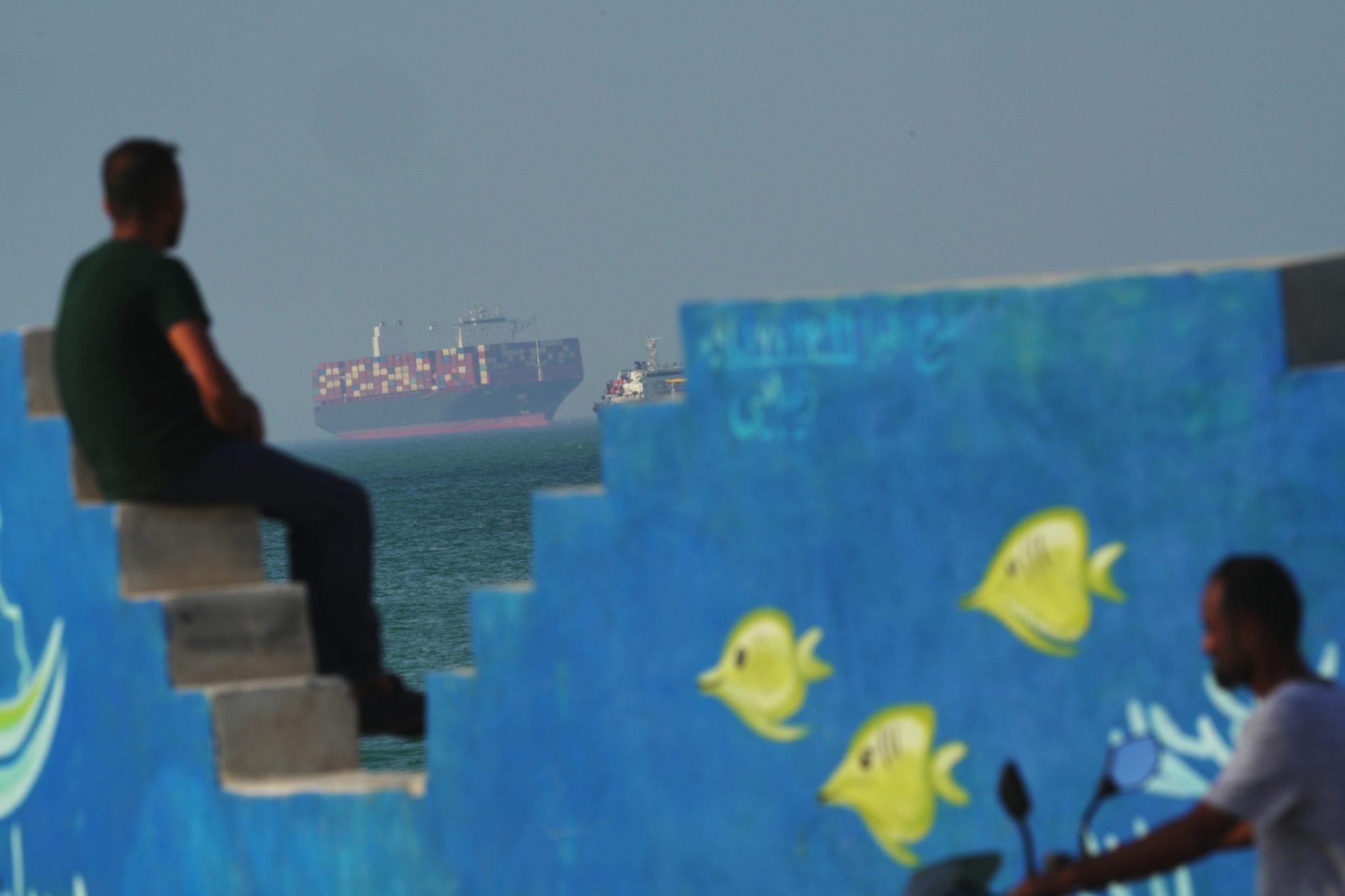
The Strait of Hormuz is a data problem, not just a military one
Since the first tanker pushed through it, the Strait of Hormuz has been treated as a static math problem. You tallied the hulls, weighed the warheads and assumed you knew the score. If you could map the Fifth Fleet’s tonnage against the IRGC’s mine density, you had a working theory on who held the leverage and what a barrel of crude ought to cost. For decades, we looked at those 21 miles of water and saw a cage made of steel. That logic is now an artifact. The “grey hull” era of deterrence didn’t end with a kinetic explosion. It just quietly stopped being the thing that mattered. What’s happening in the Gulf isn’t a traditional naval confrontation. It’s the violent, accelerating breakdown of a global system that destroyers aren’t equipped to target. [A note on sourcing: Several of the data points below come from Windward, whose CEO co-authored this piece, and from the maritime data sector in which co-author Erik Bethel’s firm, Mare Liberum, is an active investor. We have flagged these instances and stand behind the underlying figures, which are corroborated by satellite and open-source intelligence. Readers should weigh that context accordingly.] Run the numbers. When U.S. and Israeli strikes on Iran kicked off on February 28, traffic through the world’s most critical oil artery didn’t just slow — it cratered by 97% in a single week, according to Windward’s Q1 2026 shipping risk report. Upwards of 800 ships were left idling west of the chokepoint, effectively paralyzed. Of the 142.5 million barrels loaded in March, a staggering 128 million never cleared the gap. By late April, with the ceasefire fraying and tankers still taking hits mid-transit, the Strait is, in the authors’ assessment, closed to commercial traffic. The missiles and drones make for good headlines, but they’re a distraction. The real story is that the Strait has gone dark. Not in some poetic sense, but literall