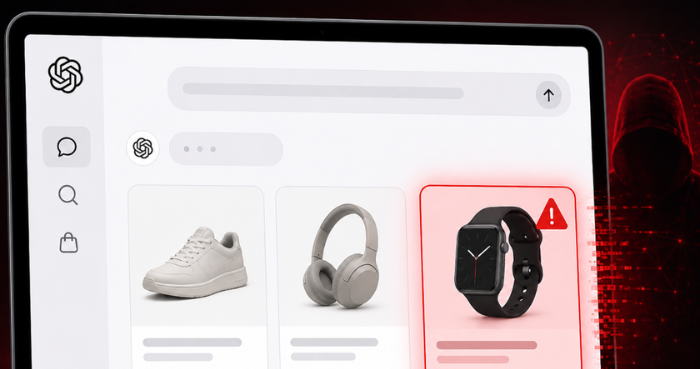
ChatGPT shopping results hijacked by cloned retail websites
Key takeaways
- Add ARY News on Google AAResize Cloned retail websites increasingly appear in Chat GPT shopping results, leading users to fake stores that steal payment details.
- These fake sites mimic the appearance of genuine brands and offer discounts up to 80%, but once orders are placed, they steal financial information without delivering products.
- AI tools are designed to simplify information and present direct links, which makes users less likely to monitor links in chatbot responses than in traditional search engines.
Why this matters: local context for readers following news across Pakistan and the region.
Add ARY News on Google AAResize Cloned retail websites increasingly appear in Chat GPT shopping results, leading users to fake stores that steal payment details. A recent report by Ask Silver revealed that Chat GPT included links to counterfeit versions of retailers such as Russell & Bromley and Dunelm in its responses.
These fake sites mimic the appearance of genuine brands and offer discounts up to 80%, but once orders are placed, they steal financial information without delivering products.
Anna Jones from Ask Silver told The Guardian that the AI model might have been intentionally “poisoned,” meaning malicious actors could have inserted fake web pages into the data ChatGPT uses, skewing its recommendations.