Exclusive: Perceptic, a startup automating drug discovery end-to-end for Big Pharma, emerges from stealth with $12 million in seed funding
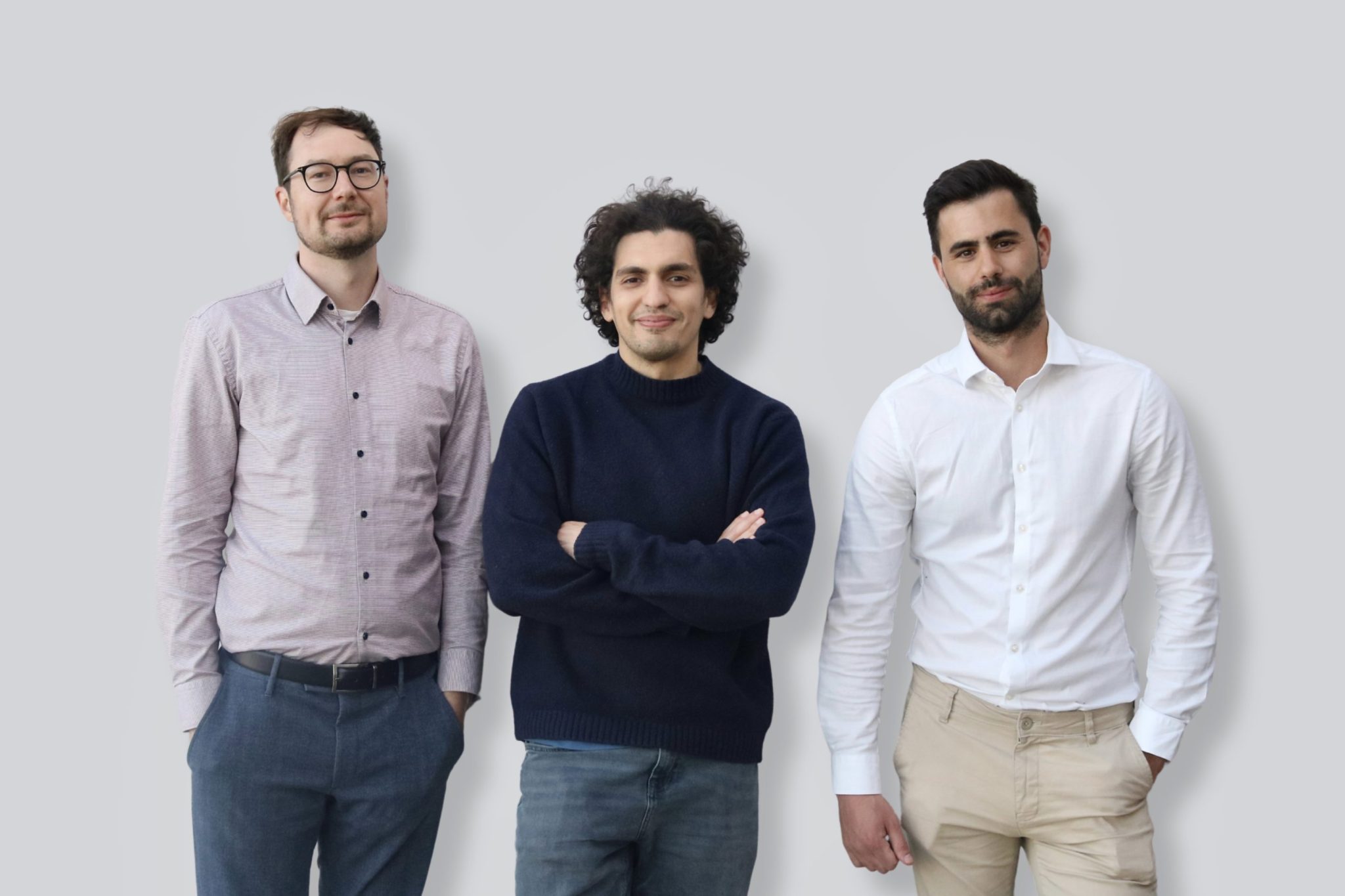
A trio of former Palantir executives who helped spearhead that company’s Life Sciences practice have founded a startup called Perceptic that is building an end-to-end AI platform for drug development, handling everything from drug discovery to clinical trial design. The company emerged from stealth today and announced a $12 million seed funding round. London-based venture capital firm Accel led the funding round, alongside Air Street Capital and Elder Gull. The company’s valuation following the funding round was not disclosed. Perceptic said its software is already being used by multiple top-tier pharmaceutical companies, though it was only allowed to name CSL, the Australian biotechnology company. In the past two years, numerous startups have sprung up to use AI to speed drug discovery. This includes Isomorphic, a spin out from Google DeepMind, robotic lab pioneer Recursion, Insilico Medicine, and many others. But so far, no AI-discovered drugs have made it all the way through human clinical trials and been approved for sale, leading some to question whether AI is living up to the hype around revolutionizing drug development. Tilman Flock, Perceptic’s cofounder and CEO, is a bioscience researcher who spent nearly seven years at Palantir, building the company’s commercial AI platform and helping life sciences companies use it. He tells Fortune that most AI startups targeting drug development have focused on improving just one particular part of the complex process, such as predicting protein structures, or looking for a molecule that will bind with a particular site on a target protein, or trying to optimize the recruitment of patients for clinical trials. Perceptic, by contrast, is pitching itself as the “connective tissue” between those discrete AI tools and the proprietary internal and external data that pharmaceutical companies use to make decisions. “For years, the industry has tried to improve each part of the [drug discovery] process separately, but tha