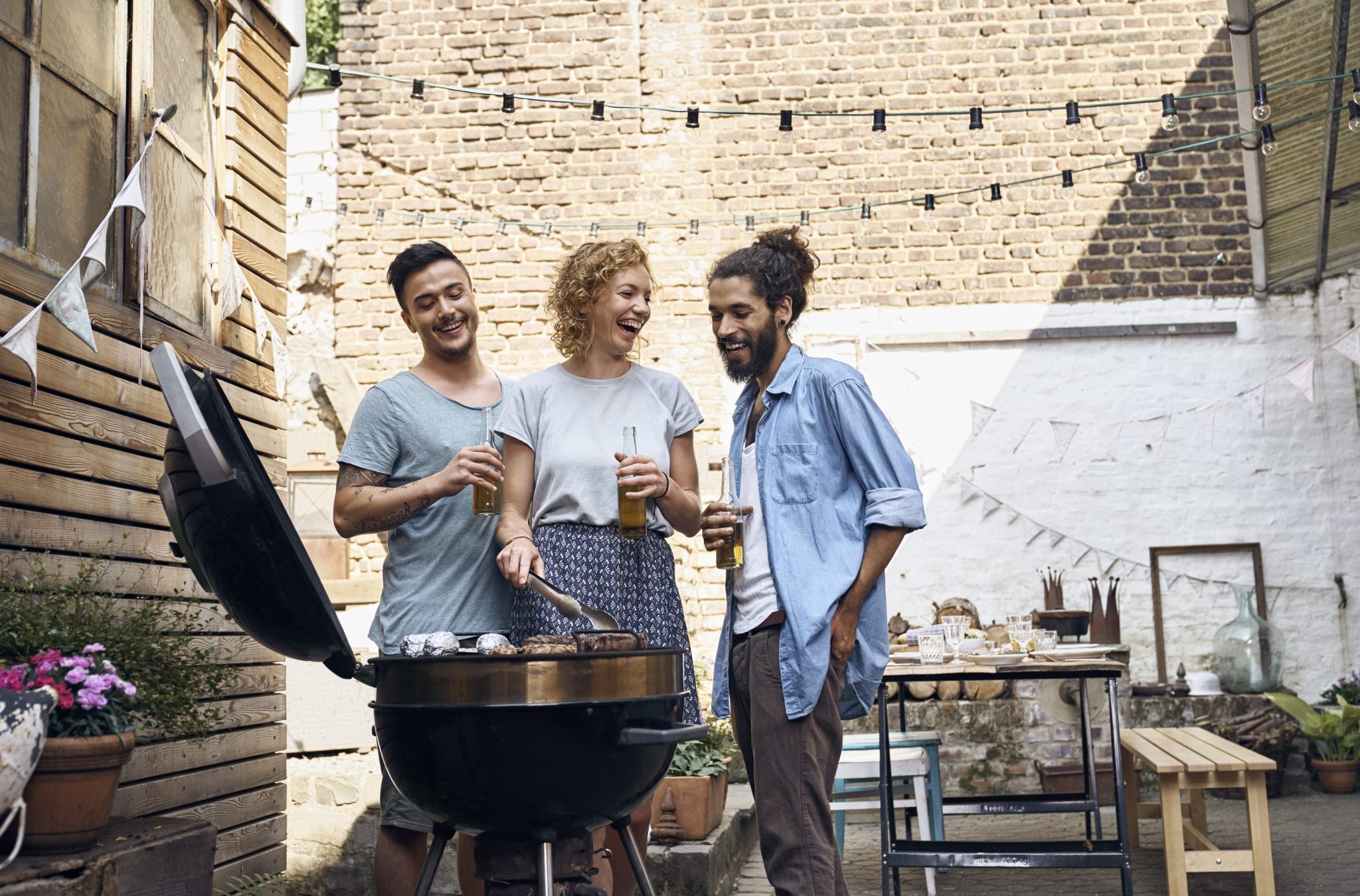
Deviled eggs, seltzer and a burger you can’t quit: The GLP-1 crowd is (halfway) reinventing the American BBQ
Price hikes, Ozempic culture, and a stubborn love of beef are colliding at the grill this July 4th. Americans are heading into the Fourth of July weekend with lighter coolers, cheaper eggs, and a nagging sense that they probably shouldn’t be spending $10 a pound on ground beef. They’re going to do it anyway—but maybe buy some new things, too. That tension, between the rational consumer that economists imagine and the one who still wants a burger at a backyard cookout, is the defining story of the 2026 grilling season. Driven by persistent food inflation, a booming GLP-1 drug culture, and a beverage industry that has quietly staged one of the great product pivots in recent memory, the American summer barbecue is changing. Just not as fast as anyone expected. The beef problem Start with the bad news for your wallet: Beef prices are up 14% from a year ago, pushing the average retail price to roughly $10 per pound. A screwworm outbreak in Texas has added pressure to an already tight domestic supply, and there’s no meaningful relief on the horizon before fall. “We’re going to get to October and we’re going to see a real flattening out of that year-over-year price number,” said Dr. David Swanson, a food economist at Wells Fargo who co-authored the bank’s summer barbecue spending report. “Doesn’t mean we’re going to get cheaper beef. It’s just going to be the new normal.” The strange thing is how little that has changed behavior. Volume is down slightly year-over-year, but the drop is modest—a nibble at the margins, not a retreat. Food manufacturers and restaurant operators are scouring global markets for the cuts Americans demand, because the demand, stubbornly, is still there. “People just have an absolute desire to have it in the rotation,” Swanson said. “Maybe not as often. But it certainly has to be in the rotation.” The proteins that are winning If beef is holding th