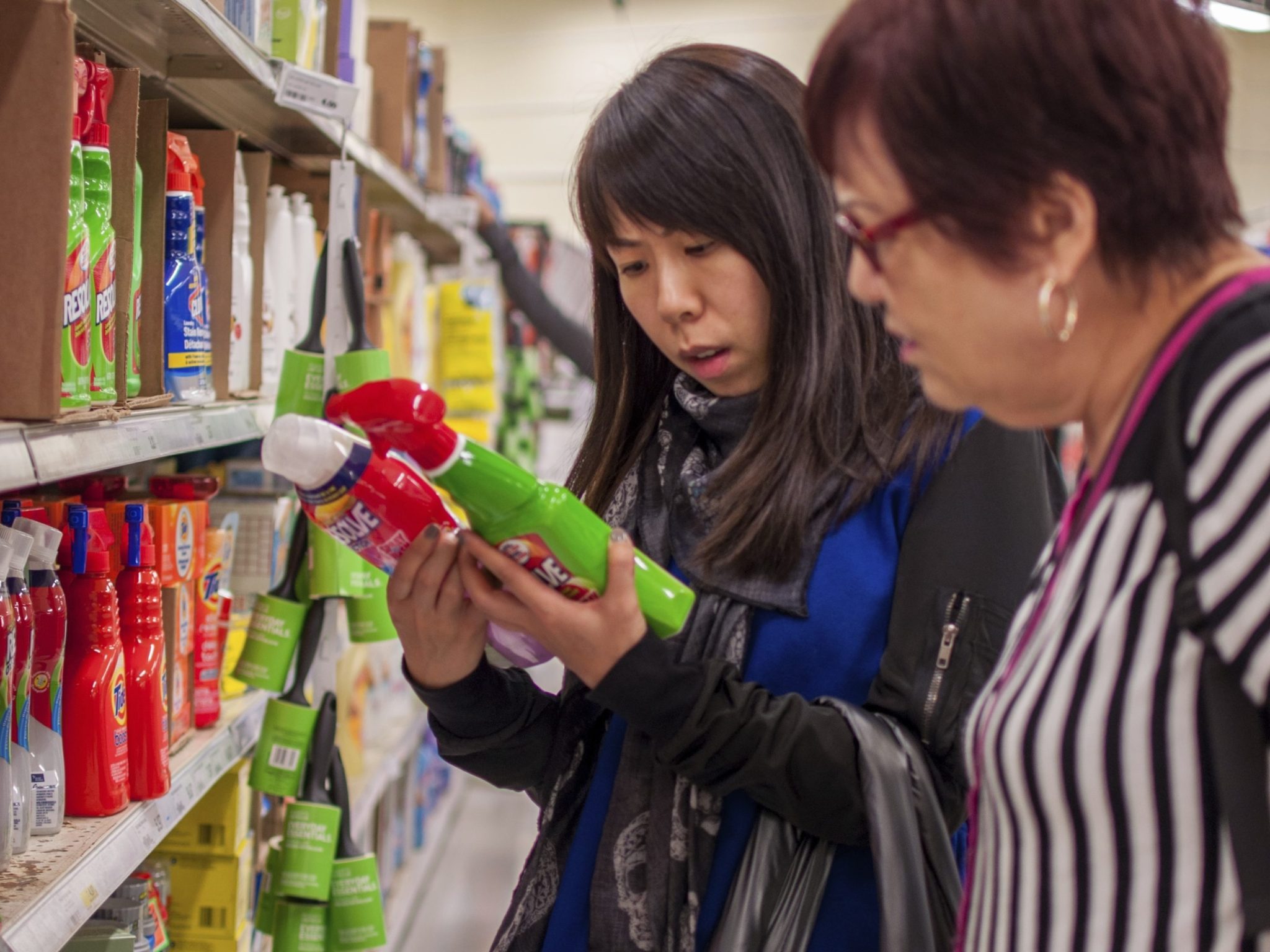
Your laundry bill is about to get more expensive—and Unilever says the Iran war is partly to blame
Consumers may be feeling the effects of global energy disruptions not only at the pump but also on laundry day. Laundry detergent and cleaning supplies often contain petrochemicals derived from crude oil, and as passage through the Strait of Hormuz remains restricted, oil shocks are now impacting myriad household goods. Consumer goods giant Unilever will likely hike up the costs of certain home care products, Chief Financial Officer Srinivas Phatak said on Thursday. “There will be frequent price increases, but in small doses,” Phatak told analysts at the company’s earnings presentation. “That ensures that we get the right balance of giving value to the consumer while protecting our margin.” Phatak said the cost increases would be between 2.7% and 3.3% this year due to inflation and other factors. The company expects full-year cost inflation to be between 750 million and 900 million euros ($876 million to $1.05 billion), about 350 million to 500 million euros ($409.5 million to $586 million) higher than initial expectations. These estimates assume the cost of crude oil remains at about 100 euros or $115 per barrel. Price increases will not significantly affect the U.S., according to the company. Even if Americans don’t notice rising detergent costs, supply chain disruptions from the war are already being felt in their wallets. Gas prices reached $4.23 per gallon on Wednesday, their highest level this year. The consumer price index surged 0.9% seasonally adjusted in March, putting the current inflation rate at 3.3%, its highest in two years, and up 2.4% from February. For companies like Unilever, inflation can manifest in multiple parts of the business. “The Middle East crisis has created uncertainties and has made the outlook a bit challenging,” Phatak said. “Inflation for us is just not one number. While there is crude and everyone really anchors around crude, it is complex because there are many crude-linked derivatives.” Unilever implemented a three-month global h