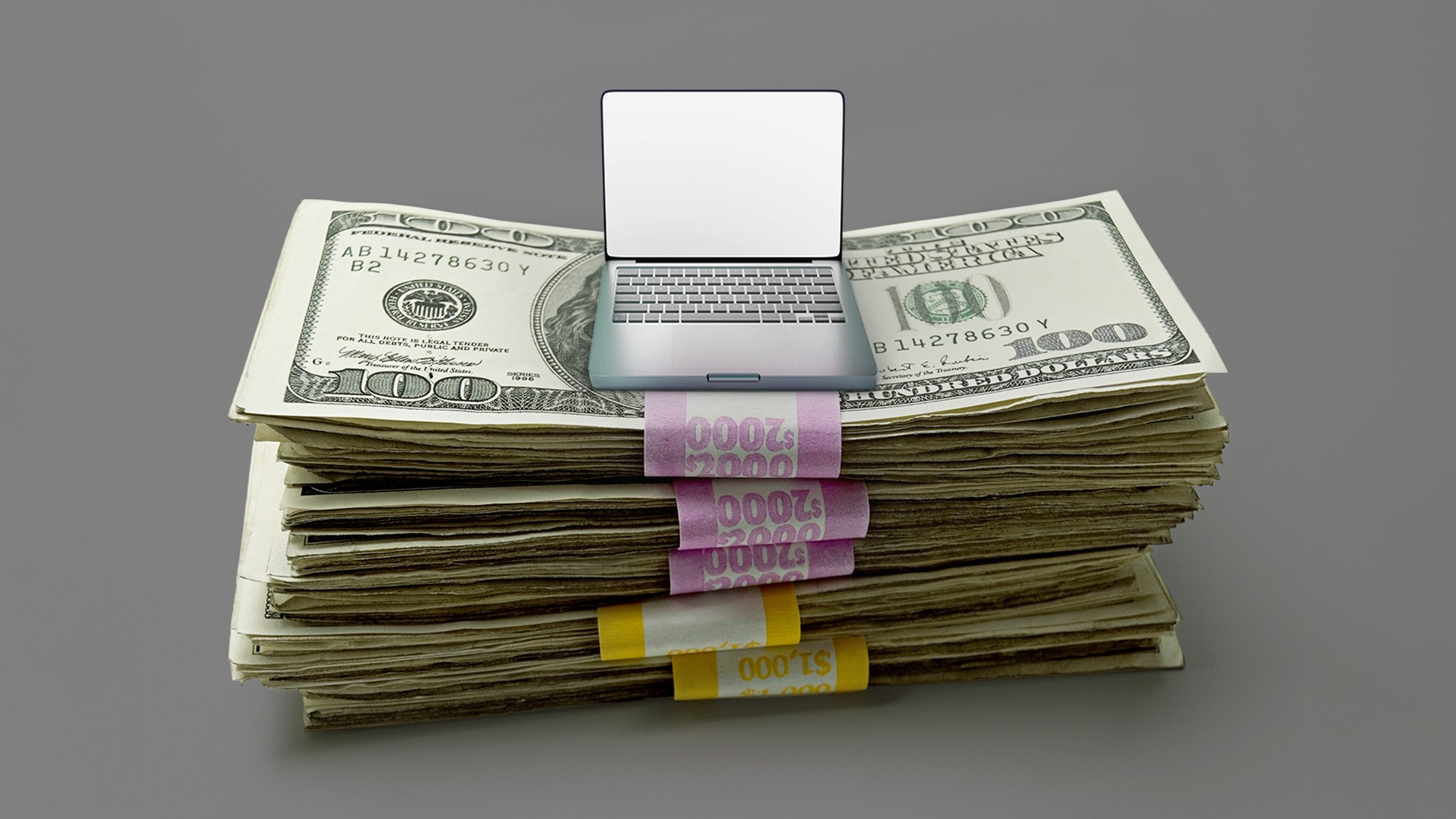
The $10,000 MacBook Pro Is Here
There are many things you can buy for $10,000: A nose job. With luck, a used car. A middling ticket to the World Cup final. Or you could purchase a Mac Book Pro. That’s how much Apple’s highest-end, fully loaded version of Apple’s laptop now costs—$3,000 more than it did last week.Maybe you don’t need the most powerful Mac Book Pro. But last Thursday, Apple announced price hikes on most of its products. Apple’s cheapest laptop, the Mac Book Neo, debuted for $600 just a few months ago. Now it’s less of a steal at $700. Apple’s base tablet model costs 30 percent more. Although iPhones are the same price (for now), every Mac and iPad model is now more expensive. So are other gadgets: Even the HomePod mini, a smart speaker that debuted six years ago, will set you back an extra $30. The day the new prices hit Apple’s website, people ran to Costco and Best Buy hoping to take advantage of some lag between the new and old world.The products are more expensive because they now cost more to make. Specifically, one particular component has become considerably more expensive: RAM, short for “random-access memory.” RAM is essential in practically every electronic device. It’s what allows you to toggle between the 30 different tabs you might have open right now. And this year, the price of RAM has quadrupled.Blame the AI boom. Data centers use a gargantuan amount of memory chips. Amid the frenzied AI build-out, the world doesn’t have enough to go around. In a statement issued the day of the price increases, Apple wrote that “the rapid expansion of AI data centers” had forced its hand: “We have never seen a component price increase this much, this quickly.” Seemingly every laptop maker has already jacked up prices at this point. In October, Microsoft raised Xbox prices by up to $70; last week, the company announced another $100 hike. The effects of the memory shortage extend beyond laptops and gaming consoles. A coalition of trade groups recently wrote to the Trump administration tha