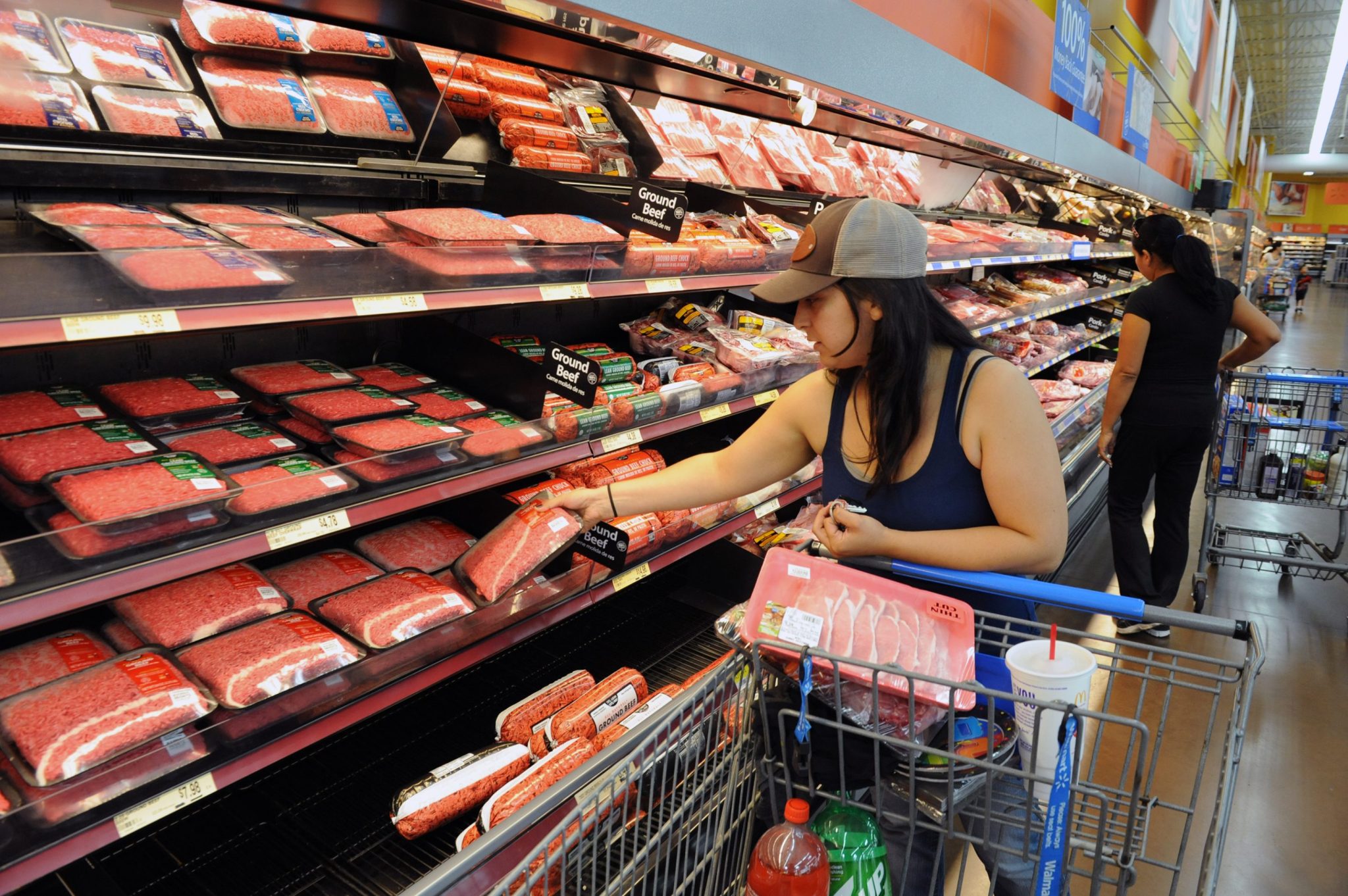
The U.S. is still one of the world’s biggest meat producers. So why are Americans paying so much for beef?
It’s officially grilling season in the U.S., but when it comes to one of the most beloved protein sources in the country, Americans are getting forced into difficult decisions in supermarket aisles across the country. The average price of a pound of ground beef hit a record average retail price of $6.90 last month, up around 19% from a year ago. Compared to the rest of the world, the U.S. might be awash with meat, but the domestic economics seem to be working against the menu item most craved by many Americans. North America, led by the U.S., tops the world on meat available per person, according to a report published Friday by the UN’s Food & Agriculture Organization, and is the world’s second largest beef producer, behind Brazil. But despite high prices, U.S. beef consumption has held steady. And that insatiable demand is colliding with a series of headwinds that are hurting the country’s cattle population, the costs of which have been causing sticker shock even before the latest inflation spike. As of January, U.S. farms and pastures were home to 86.2 million heads of cattle and calves, down from around 95 million in 2019. It’s the smallest count since 1951, according to the USDA. More frequent drought conditions in many parts of the country where cattle are raised have reduced the population size—including multiple devastating heatwaves that killed thousands of cattle over a few days in the early 2020s. Because heatwaves can discourage ranchers from retaining cattle for breeding, the effects show up later and can last for years. Feed costs have also risen, in part because drought has reduced the supply of grasslands for cows to graze, but also because of the Trump administration’s tariffs have raised fertilizer costs, making crops used for animal feed more expensive to grow. But dwindling cattle stocks aren’t the only reason for soaring prices. While the number of cattle has fallen over the years, the actual meat produced per head has increased, mostly because c