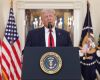
Trump calls Iran's response to his peace proposal “totally unacceptable”
Key takeaways
- US President Donald Trump described Iran's response to Washington's latest proposal to end the war that has pitted the two countries against each other since 28 February as totally unacceptable on Sunday.
- Tehran submitted the counter-proposal through Pakistani mediation, according to Iranian state agencies IRNA and Tasnim.
- US Ambassador to the United Nations Mike Waltz told Fox News that dismantling Iran's nuclear program is a very clear red line for the president.
Why this matters: an international story with cross-border implications worth tracking.
US President Donald Trump described Iran's response to Washington's latest proposal to end the war that has pitted the two countries against each other since 28 February as totally unacceptable on Sunday. I have just read the response from Iran's so-called 'Representatives.' I don't like it — TOTALLY UNACCEPTABLE! the president wrote on his Truth Social platform.
Tehran submitted the counter-proposal through Pakistani mediation, according to Iranian state agencies IRNA and Tasnim. The document calls for the lifting of US Office of Foreign Assets Control sanctions on Iranian oil sales for a thirty-day period, an end to the US naval blockade, the release of frozen assets, and war reparations. It also includes Iranian management of the Strait of Hormuz if the United States makes certain commitments. State media did not mention the nuclear program, one of Washington's central demands.
US Ambassador to the United Nations Mike Waltz told Fox News that dismantling Iran's nuclear program is a very clear red line for the president. Separately, Trump said on Truth Social that Iran had been playing games with the United States for 47 years and warned the country would not be laughing any longer. Talks have stalled since the failure of negotiations held in Islamabad in early April. The United States maintains its blockade on Iranian ports; Iran restricts traffic through the Strait of Hormuz, through which 20% of the world's oil passed before the war.