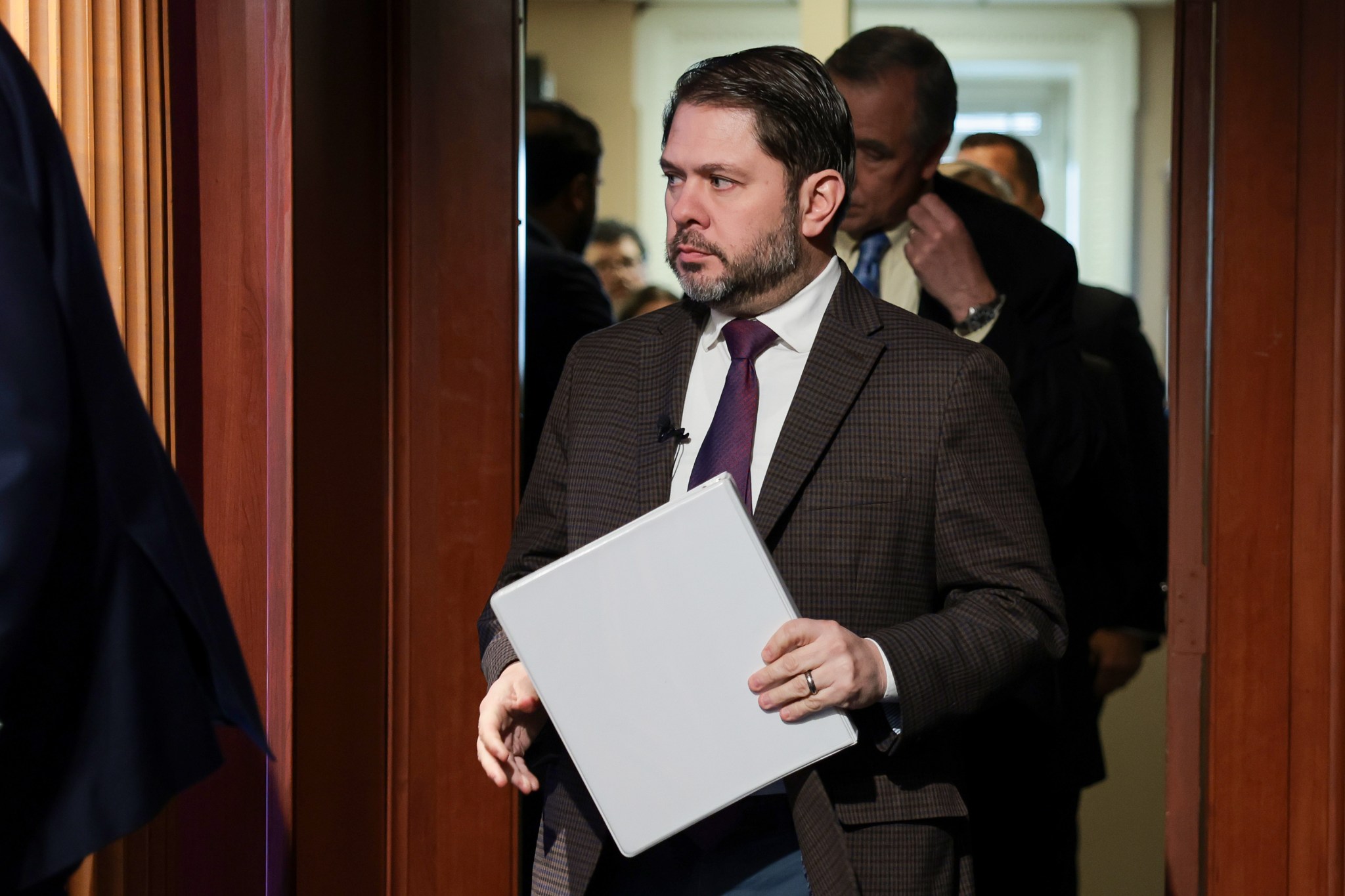
Exclusive: Arizona senator warns ‘ghost jobs’ are warping labor data, presses Trump admin to investigate
Sen. Ruben Gallego (D-Ariz.) pressed the Trump administration on Thursday to crack down on companies that post online listings for jobs that don’t exist. In letters to the Department of Labor and Federal Trade Commission, Gallego asked the agencies to investigate how widespread “ghost jobs” are, explain how they show up in federal labor data, and spell out what enforcement tools they can use to curb deceptive job ads. He also questioned whether policymakers can still rely on official data to evaluate the labor market if the government considers ghost jobs as real vacancies. “Job postings that employers have no intent to fill, or ghost jobs, are becoming increasingly common and are wasting young Americans’ valuable time and energy,” Gallego told Fortune. “We need more information about the extent of this problem and what, if anything, is being done to address it.” The senator’s letters come amid broader anxieties over AI’s impact on workers, especially those earlier in their careers. Unemployment among young college graduates has edged up even as overall employment remains solid, according to recent data from the Federal Reserve Bank of New York. While many believe that AI is eliminating jobs lower on the career ladder, economists increasingly point to remote and hybrid work, not automation alone, as a key reason entry-level hiring has lagged in some white-collar fields. Still, Gallego shared those same worries over AI’s impact on the workforce. “The use of artificial intelligence (AI) by online hiring platforms has also led to the increase in ghost jobs as employers can easily advertise an opening, allowing companies to recruit less actively and leave job postings open for long periods of time,” Gallego asserted in his letters. Phantom roles Research increasingly suggests that a rising share of online job ads never result in actual hires. In 2024, 40% of employers said they had advertised at least one role they did not intend to fill over the