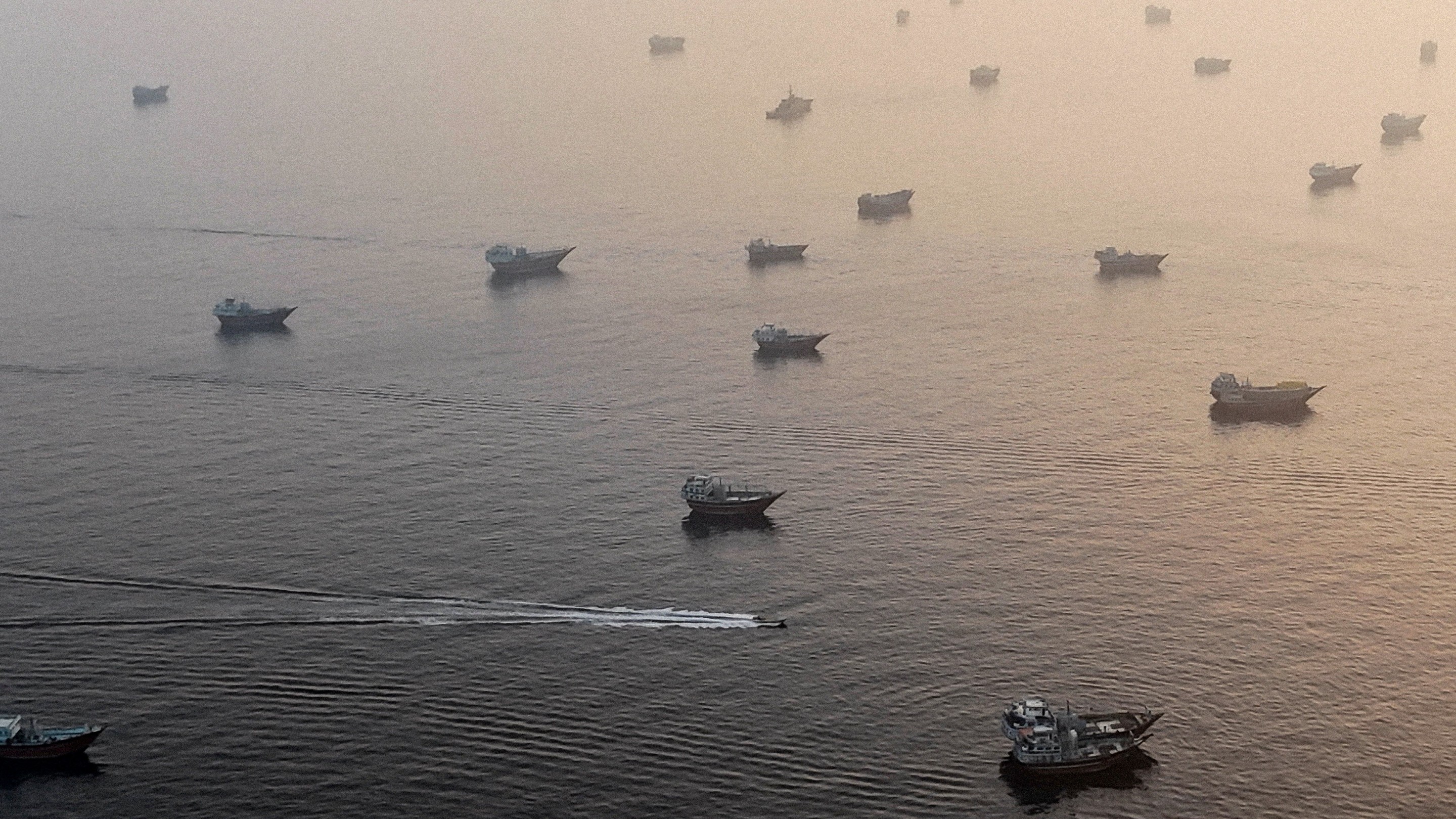
An Understanding That a Deal Might Happen
Declaring that “the deal is all signed” with Iran, as President Trump did today, is like shopping for a wedding dress after a good first date: It’s just too soon.A deal has an element of finality and permanence. A nuclear deal with Iran, for example, would require specific obligations, concessions, and verification measures, such as inspections, agreed to by all parties. What Iran and the United States are moving toward, with a signing ceremony scheduled for Friday in Geneva, is an agreement that could set the conditions for a potential deal. In the meantime, the war’s shaky cease-fire would be extended for 60 days and commercial shipping would once again transit the Strait of Hormuz unimpeded. (Neither side has released the agreed-upon text, although U.S. officials said today that Trump, Vice President Vance, and the speaker of Iran’s Parliament have already digitally signed on the dotted line.)If all goes to plan, both sides would then use the breathing room to address more complicated issues, such as how to manage Iran’s nuclear program, just as they were doing before February 28, when Trump went to war. Although the war has weakened Iran’s military, killed members of its leadership, and put pressure on Tehran, the memorandum of understanding is also an acknowledgment that the U.S. cannot solve the problem of Iran with either a war or economic pressure. Despite the thousands of strikes, and the damage done to Iran’s oil-export-driven economy, the U.S. has little choice but to try diplomacy again.Another mark of how much the U.S. has deviated from its aims at the conflict’s outset is the fate of the Strait of Hormuz. Its centrality to the new memorandum might suggest that Iran’s blockage of the narrow channel was a reason for the U.S. and Israel to go to war in the first place. Not so. The strait was open on the day the war started. Iran closed it, snarling global energy-supply chains, to gain exactly the leverage now being employed at the negotiating table.By con