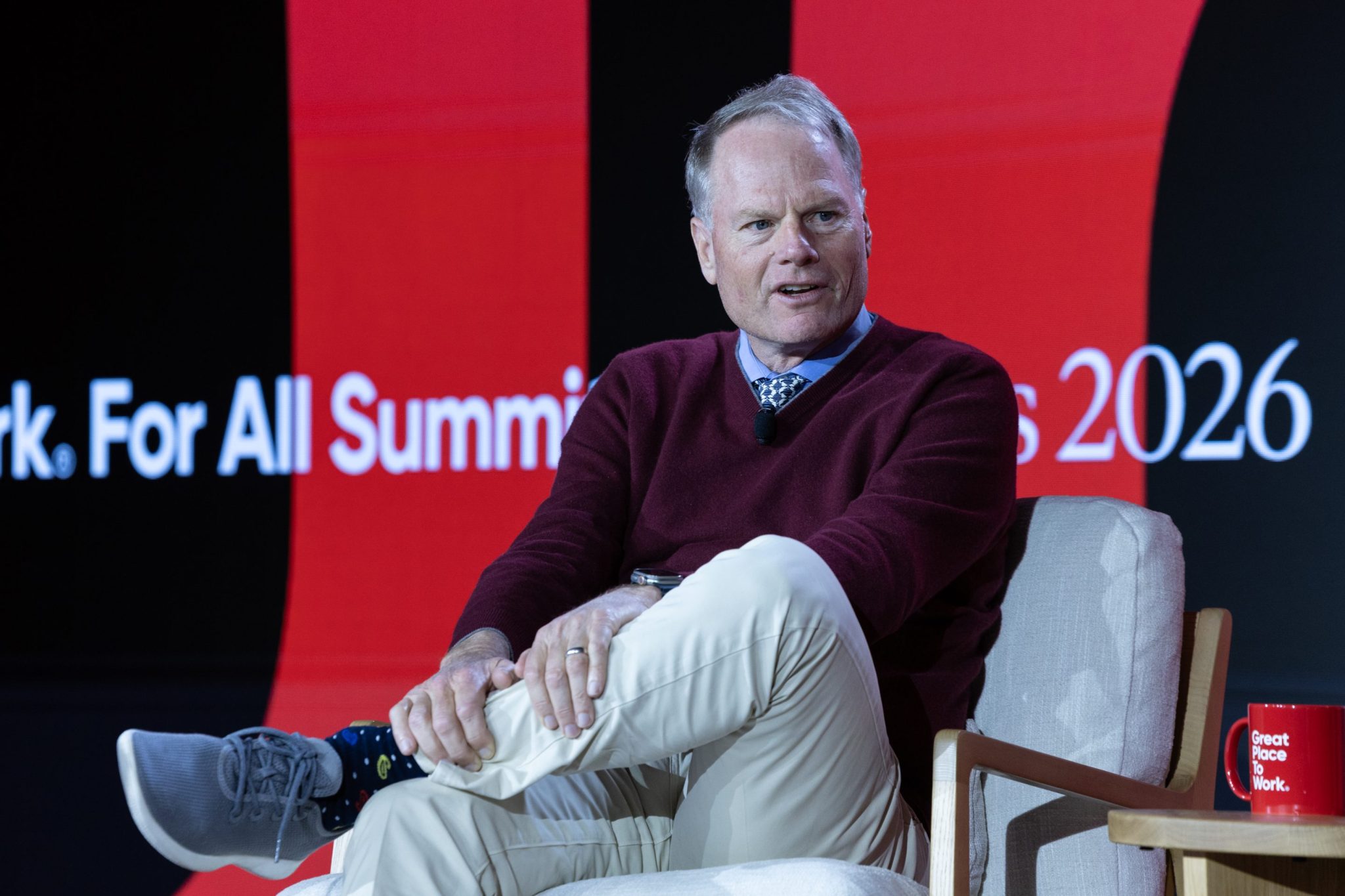
The CEO of Trek Bicycle reads 52 books a year, hates smartphones, and thinks Milton Friedman was wrong
John Burke has run Trek Bicycle for nearly three decades, long enough to have lived through bike booms and busts, a pandemic that briefly made his company one of the hottest businesses in the world, and a post-COVID hangover that has left internal sales dashboards “all red” for more than a year and a half. He’s also read enough books — about 52 a year, every year, meticulously cataloged in a personal spreadsheet of 1,100 lifetime lessons — to have strong opinions about nearly everything. One of the strongest: a company’s legacy is measured by its impact on the world, not its financial returns. “Making a profit is the lifeblood of a business,” he told me in Las Vegas, backstage at the Great Place to Work For All Summit. “But the success of the business is not just measured in how much money you make — it’s in the impact that you make.” Burke said he couldn’t speak for other companies, since he’s “been playing for the same team for 42 years,” but when he looks out at corporate America, he said, “there’s been a decay in the purpose of companies over the last 25 years.” And then he got historically minded. “If you go back, an economist once said that making a profit is the only responsibility of a company … and that’s not Trek.” (The actual quote was published in a New York Times op-ed in 1970 as the great University of Chicago economist Milton Friedman wrote: “There is one and only one social responsibility of business—to use its resources and engage in activities designed to increase its profits so long as it stays within the rules of the game, which is to say, engages in open and free competition without deception or fraud.”) Just consider, Burke said, what Trek has done for women’s cycling. The women’s cycling moment In 2018, he recalled, someone walked into his office and told him how women’s professional cycling team