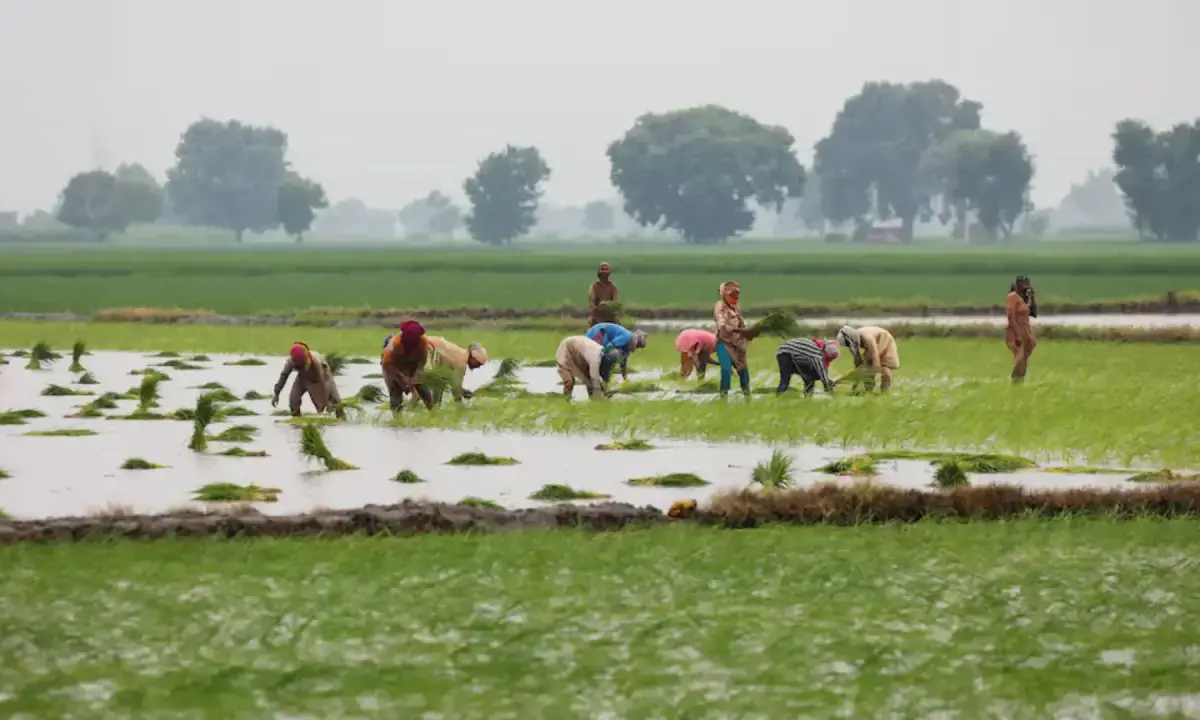
BUDGET 2026-27: Farmers look to budget with growing fears, fading hopes
Why this matters: local context for readers following news across Pakistan and the region.
PAKISTAN’S farmers are awaiting the next budget with growing fears and fading hopes. Their concerns this year are fundamental, as the government — amid pressure for reform — continues experimenting with subsidies, procurement prices, input-cost liberalisation and agricultural trade. The cost of this trial-and-error has become an existential problem for farmers and the agricultural sector. The agriculture sector’s fading hopes are a direct result of the government’s inability — or unwillingness — to adopt a long-term policy direction and muster the political will needed for its implementation. Deregulation of agricultural inputs has led to a continuous rise in production costs, which the government hesitates to pass on to consumers because of political consequences. Wheat policy reversals, deregulated input costs and controlled output prices are curtailing farm profitability Consequently, farmers and agri-sector experts alike agree the government should make a clear decision this year, develop a consistent policy framework, and commit resources to it in the coming budget. Iqrar Ahmad Khan, former vice chancellor of the University of Agriculture Faisalabad and author of the Punjab government’s last agricultural policy, supports the farmers’ demands. “After all, this is going to be the third budget of this government; it must decide where it wants to take the sector. If it wants to regulate agricultural inputs and trade, it should do so clearly. If it plans to deregulate, it must do so unambiguously. But it must make the direction clear. “If deregulation is the preferred path, as appears to be the case, then the government should stop interfering in the market on behalf of different stakeholders — whether farmers, consumers, traders or manufacturers — at different levels and times, and let the market find its own equilibrium.” Citing policy somersaults on wheat — the national staple around which much of the agricultural economy revolves — farmers explain how an inconsi