What This Fourth of July Is Really About
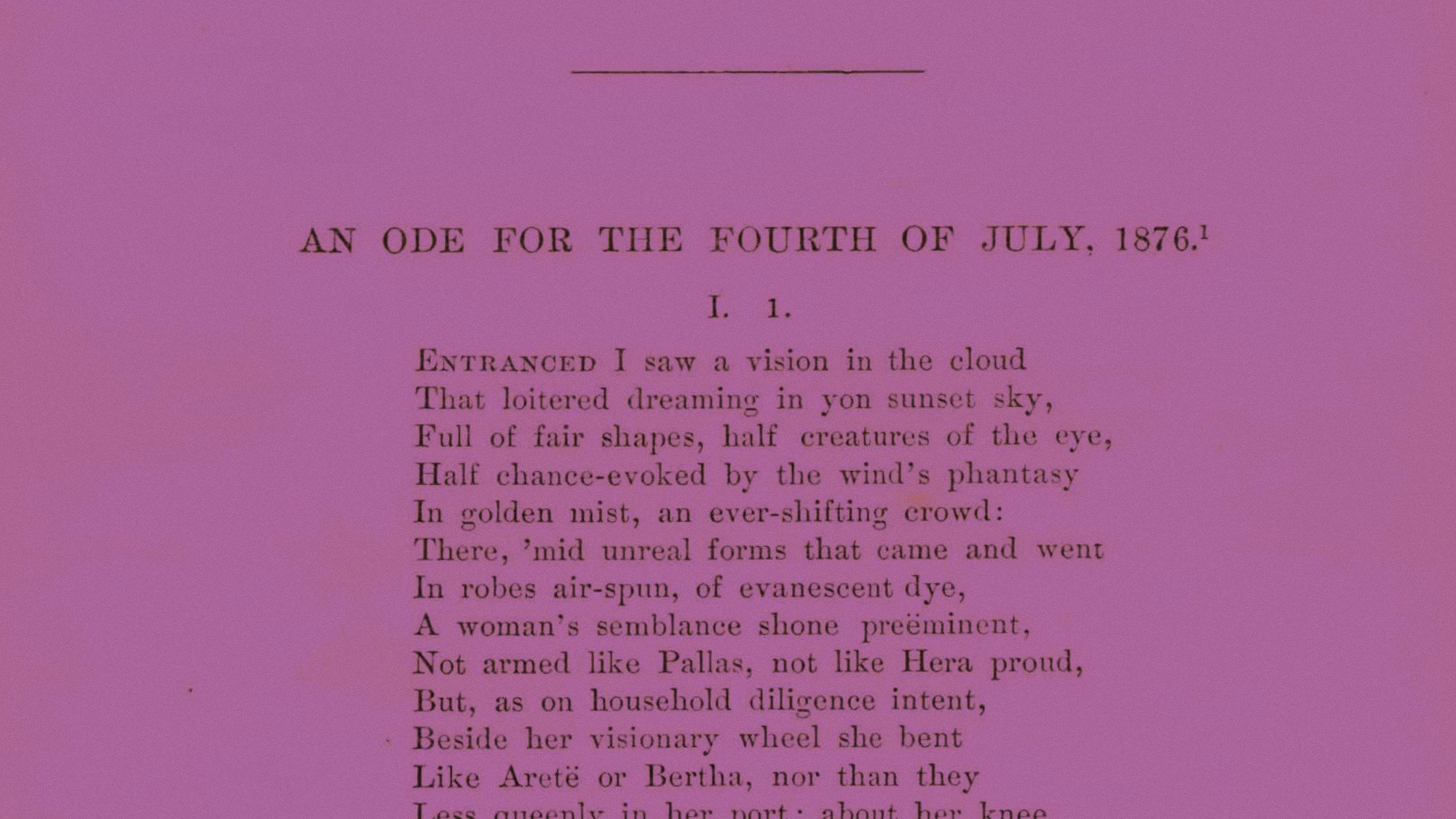
This is an edition of The Atlantic Daily, a newsletter that guides you through the biggest stories of the day, helps you discover new ideas, and recommends the best in culture. Sign up for it here.To mark the occasion of America’s centennial, the people of Taunton, Massachusetts, invited James Russell Lowell—distinguished poet, founding editor of The Atlantic—to compose and read an ode for the Fourth of July. Lowell didn’t much like what he produced. When the magazine published that poem, at the end of 1876, he noted in a disclaimer that he still wasn’t sure it was done “to his satisfaction.” Reading it now, his struggle is evident. “An Ode for the Fourth of July, 1876,” is dense and difficult, larded with obscure classical references. But more than that, the poem is riddled with doubt. Had Americans become “degenerate, / Unfaithful guardians of a noble fate”? Was the America of 1876 worthy of the America of 1776? Was this “the country that we dreamed in youth”?Lowell’s halting effort came in a major anniversary year much like our own—a year of conflict, division, and disorientation. As I wrote in our June issue, the country’s centennial celebrations embraced the Industrial Revolution and presented technology and invention as the markers of national glory. Even history was mechanized: A Detroit inventor fashioned a nine-foot-tall diorama that enacted “The Resurrection of General Washington,” which visitors to the Centennial Exposition could find among the sideshows outside the gates. At the appointed hour, the father of the country would rise from his tomb and salute two soldiers standing at attention, and a descending eagle would crown him with laurels. To some observers, this focus on the wonders of material progress felt out of step with the year’s many convulsions: the violent end of Reconstruction, ongoing labor conflicts, and a bitterly contested election. Lowell could perhaps be forgiven for not quite finding the words to reckon with the moment.If Lowell coul