Justice Aurangzeb calls for encouraging alternative dispute resolution, says SC to establish mediation centre
Why this matters: local context for readers following news across Pakistan and the region.
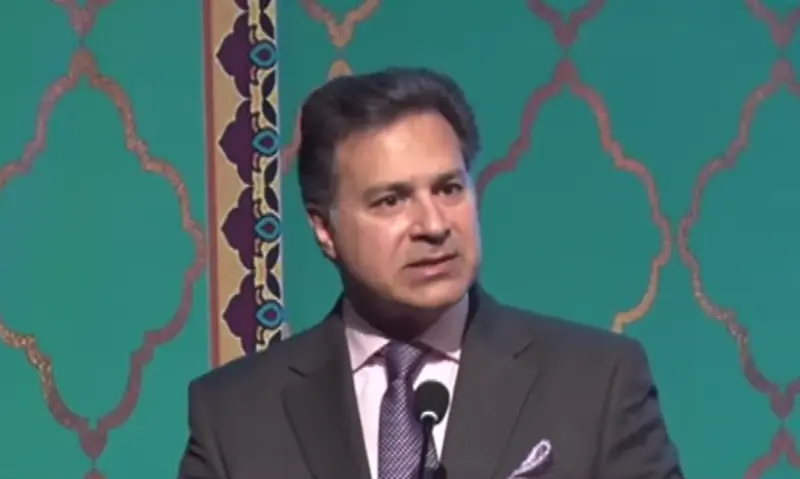
Justice Miangul Hassan Aurangzeb has called on the judiciary to encourage alternative dispute resolution (ADR) and detailed the Supreme Court’s ongoing efforts to establish a mediation centre. In remarks aired on television on Monday, the SC judge stressed the need for mediators to be referred more cases, saying, “For that, the courts have to be willing to refer cases to mediation and must never think that by doing so, they are shying away from their primary responsibility of adjudication.” He noted that, having already paid lawyers, parties were reluctant to pay a fee for mediators and, therefore, some mediation centres had a policy of pro-bono mediations. “To encourage parties to go into mediation, what we have decided now is to train as many judges as mediators, and also officials in the high court and the Supreme Court who are law graduates, who will be willing to conduct mediation in their own pay scale,” the judge said. Justice Aurangzeb, along with Lahore High Court’s Justice Jawad Hassan, was presenting a keynote address at the launch event in Islamabad of “ADR ODR International x ICDRL Peacemakers Community (AIPC)”, linked to the International Centre for Dispute Resolution Lahore (ICDRL). Justice Aurangzeb also said that the SC was in the process of establishing a “court-annexed mediation centre”, with financial assistance from the United Nations Development Programme (UNDP). He highlighted that the SC now had two accredited, trained mediators and that the law ministry was starting a programme on Monday to train more mediators. “By the end of this year, I hope to take the number to at least a dozen, so that parties who cannot afford to pay for the mediators are referred to the mediation centre, which will be housed in the Supreme Court […] for mediation to be conducted free of cost,” the judge said. He further noted, “When being responsible for choosing lawyers to be trained as mediators, I had to bear in mind that they had to represent the entire spectrum