Understanding Our Mothers
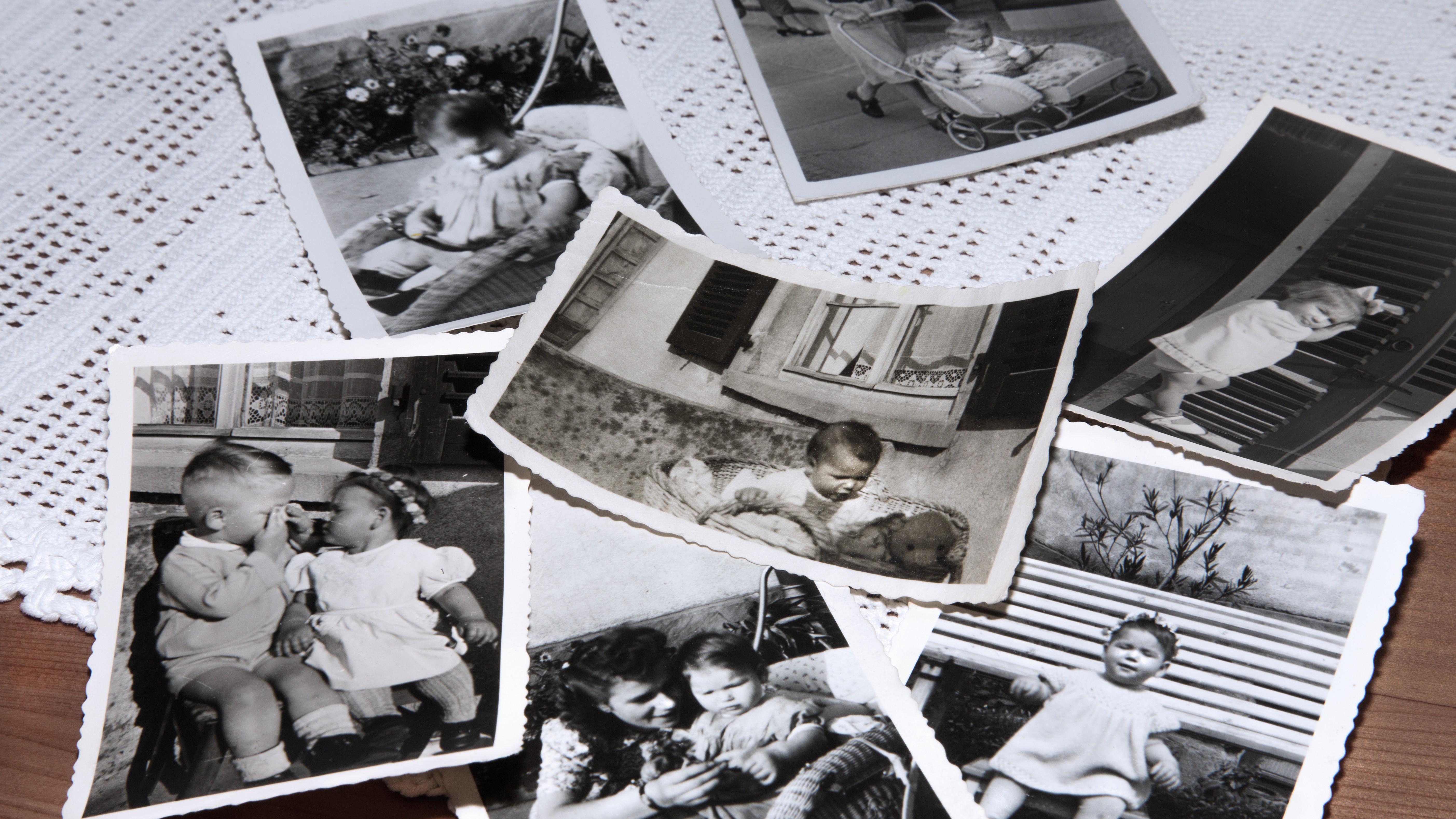
This is an edition of The Wonder Reader, a newsletter in which our editors recommend a set of stories to spark your curiosity and fill you with delight. Sign up here to get it every Saturday morning.As I grew older, I began wondering about the version of my mother that existed before I did. Not just the parent who raised me, but the younger person she once was: the life she’d imagined for herself, the experiences that shaped her, the parts of her history that I will never fully know.Many of us know our mothers in practical roles first: caretakers, disciplinarians, emergency contacts, occasional embarrassments. But the earlier versions of them often survive only in fragments. They might share an old photograph or make a fleeting comment about a life that existed before ours. Mothers can watch us become ourselves, but we rarely get to witness who they were before we arrived.Over time, we begin to see our moms less as fixed parental figures and more as full people: loving and flawed, familiar and unknowable. Today’s newsletter gathers stories that try to make sense of that realization.On MothersWhat to Read to Understand Your MomBy Sophia Stewart These stories offer a starting point—and perhaps some insights—for those seeking perspective on their parent. (From 2025) Read the article.Now I Know What My Mother Was SayingBy Elizabeth Bruenig I always knew my mother loved me. I didn’t realize the full practical cost of her love until becoming a mother myself. (From 2025) Read the article.What Happens to a Woman’s Brain When She Becomes a MotherBy Adrienne LaFrance From joy and attachment to anxiety and protectiveness, mothering behavior begins with biochemical reactions. (From 2015) Read the article.Still Curious? How adult children affect their mother’s happiness: Plenty of moms feel something less than unmitigated joy around their grown-up kids. Make sure yours feels that she’s getting as much out of her relationship with you as she gives, Arthur C. Brooks wrote in 2021.