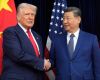
Trade, Iran and Taiwan dominate agenda of Trump-Xi summit beginning Wednesday in Beijing
Key takeaways
- China confirmed on Monday that US President Donald Trump will pay a state visit from 13 to 15 May at the invitation of his Chinese counterpart, Xi Jinping.
- The announcement, issued by China's Foreign Ministry, comes days before the president's expected arrival at Beijing airport on Wednesday evening.
- In April, US Defense Secretary Pete Hegseth said China had given high-level assurances it would not send weapons to Iran, particularly surface-to-air missiles.
Why this matters: an international story with cross-border implications worth tracking.
China confirmed on Monday that US President Donald Trump will pay a state visit from 13 to 15 May at the invitation of his Chinese counterpart, Xi Jinping. It will be the first trip by a US president to the country in nearly a decade —since Trump's own November 2017 visit— and will unfold against the backdrop of the US war against Iran, the fragile trade truce between the two powers, and the dispute over Taiwan's sovereignty.
The announcement, issued by China's Foreign Ministry, comes days before the president's expected arrival at Beijing airport on Wednesday evening. According to White House principal deputy press secretary Anna Kelly, Trump will attend the official welcome ceremony on Thursday, hold his bilateral meeting with Xi, visit the Temple of Heaven, and attend a state banquet. First Lady Melania Trump will accompany him on the trip. The summit was rescheduled in March: it had been planned for early April but was postponed following the outbreak of the war with Iran on 28 February.
The agenda is heavy. The war in the Middle East has become an unavoidable issue: Beijing, Tehran's main trading partner and the destination for more than 80% of Iranian oil exports in 2025 —around 1.38 million barrels per day, according to analytics firm Kpler— has condemned the US and Israeli strikes and called for an end to military operations. In April, US Defense Secretary Pete Hegseth said China had given high-level assurances it would not send weapons to Iran, particularly surface-to-air missiles. Iranian Foreign Minister Abbas Araghchi visited Beijing last week and met with his counterpart Wang Yi. Trump has said he will raise the conflict with Xi and stated that the Chinese leader has been very kind about it.