Controversial bill to be last nail in coffin of freedom of expression: opposition
Why this matters: local context for readers following news across Pakistan and the region.
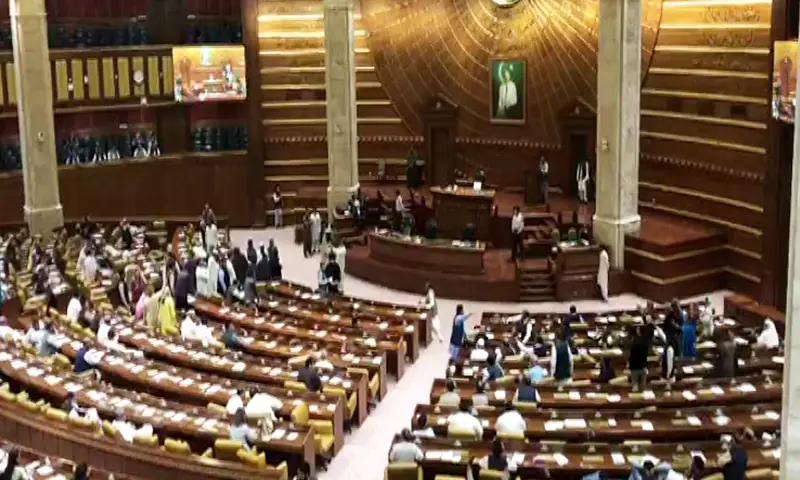
LAHORE: The Punjab Assembly on Monday witnessed a heated exchange on the proposed Punjab Control of Habitual Offenders and Anti-Social Behaviour Bill, 2026 with the opposition describing the legislation as an assault on fundamental rights and freedom of expression while Speaker Malik Muhammad Ahmad Khan assured the lawmakers that their concerns about the bill would be addressed before being taken up for consideration. Opening the debate, Opposition Leader Moin Riaz Qureshi alleged that the proposed law violated constitutional guarantees and democratic principles. He warned that the bill could become the final nail in the coffin for freedom of expression and accused the government of attempting to suppress dissent through legislation. “The Punjab Control of Habitual Offenders Bill 2026 is being introduced to silence people,” Qureshi alleged, adding that the ruling PML-N had previously enacted accountability laws that eventually rebounded against its own leadership. Responding to the opposition’s concerns, the speaker said he had not been presiding over the House when the bill was originally introduced or when the relevant committee’s report was presented. Calls it a bid to suppress dissent; HRCP concerned at the proposed law “I was not aware of the bill at that stage. It has already been referred to the committee and the report has been submitted,” the speaker said, explaining that the government had not yet put the bill on the Assembly’s agenda. He added that Parliamentary Affairs Minister Mujtaba Shujaur Rehman would respond to members’ concerns when the matter would come before the House. The speaker also informed the assembly that he had received a formal letter from opposition member Rana Aftab Ahmad raising objections to the proposed legislation. Rana Aftab Ahmad read out the contents of the letter in the House, urging the speaker to prevent the bill from being passed in its present form and to refer it for detailed constitutional and legal scrutiny. The letter