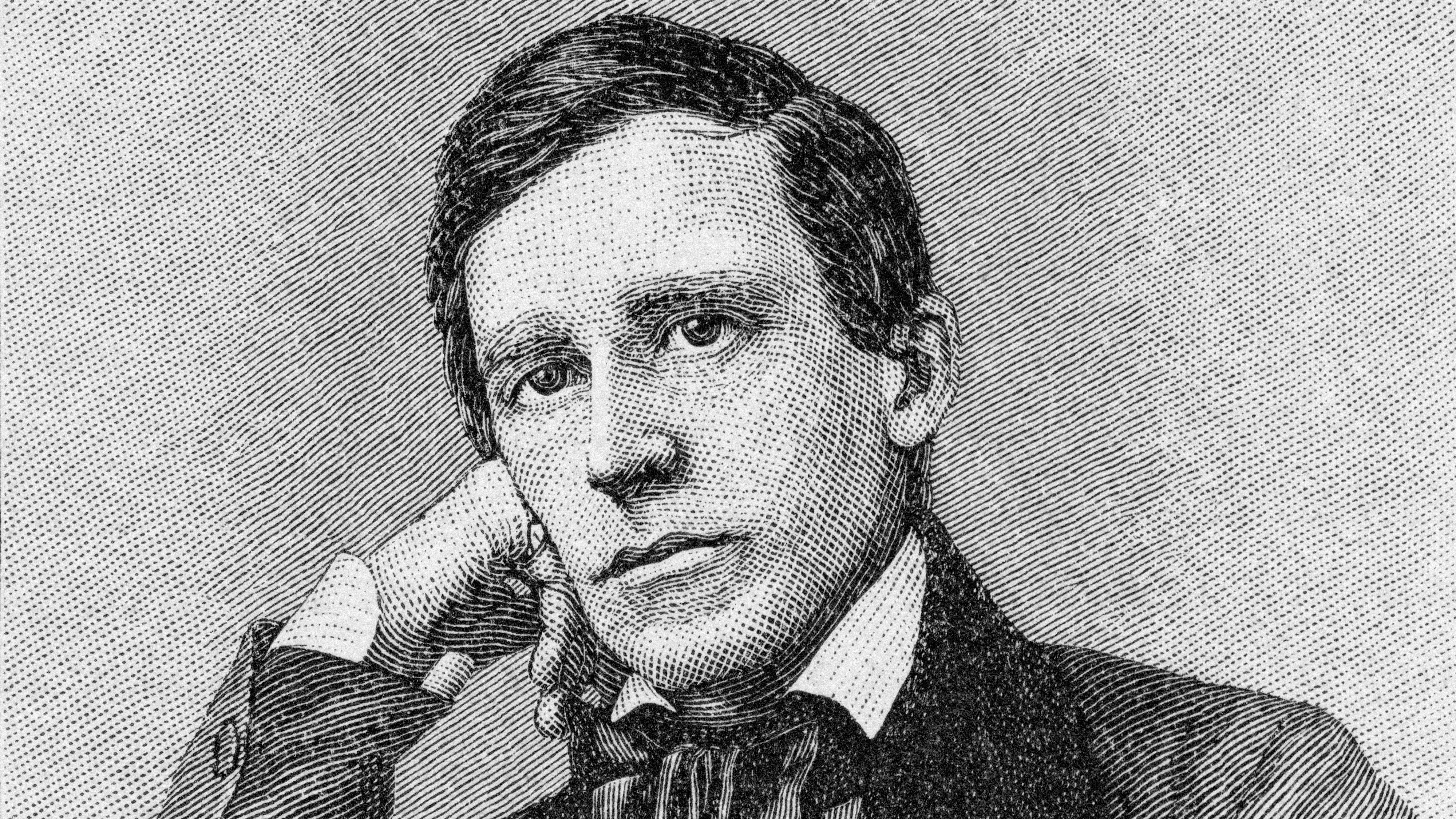
The Man Who Invented American Popular Music Turns 200
This is an edition of The Atlantic Daily, a newsletter that guides you through the biggest stories of the day, helps you discover new ideas, and recommends the best in culture. Sign up for it here.Two-hundred years ago, on July 4, 1826, the United States celebrated its 50th birthday. Thomas Jefferson and John Adams died. And another enduring voice was born: the songwriter Stephen Foster.The timing is fitting, for Foster is a quintessentially American figure. His name is not as famous as it once was—nor as famous as successors such as Cole Porter or Irving Berlin—but his influence on music remains huge. Songs like “Oh! Susanna,” “Camptown Races,” and “Old Folks at Home” remain familiar, even if many assume that they are traditional folk songs. Foster effectively invented the idea of a professional songwriter; founded the American songbook and pioneered the now-standard verse-chorus structure; and inspired the intellectual-property law of music. His untimely death set the template for the doomed, dissolute musician. Meanwhile, the racist elements of his music, and the racial dynamics of his era, continue to complicate his legacy. What could be more American than that?Foster was born into a prominent family in Pittsburgh. He had neither the interest nor aptitude for business or much else, but he managed to find a niche writing songs, often either for minstrel bands or to be sold as sheet music. “All he had was his ability to create poetry and melody and put them together,” Deane L. Root, a professor emeritus of music at the University of Pittsburgh and a Foster scholar, told me. By doing that, he created the model for the professional songwriters who have followed—Tin Pan Alley, the Brill Building, Motown’s Holland-Dozier-Holland team, Nashville’s Music Row, and modern-day hitmakers such as Max Martin.The guitarist Bill Frisell has been recording Foster’s music since the early 1990s and even named a group “Beautiful Dreamers” after the Foster composition, but he first